
지식
Algorithm
LRU 캐시 (Least Recently Used Cache)
가장 최근에 사용되지 않은 항목을 교체하는 LRU 캐시 — HashMap과 이중 연결 리스트로 모든 연산을 O(1)로 구현하는 방법을 알아봅니다.
지난 글에서 집합 자료구조를 살펴봤습니다. 이번 글은 시스템 설계 면접의 단골 주제이자 운영체제·CPU 캐시·웹 프레임워크에서 광범위하게 사용되는 LRU(Least Recently Used) 캐시를 다룹니다. 제한된 메모리에서 어떤 데이터를 유지하고 어떤 데이터를 버릴지 결정하는 알고리즘입니다.
LRU 캐시 교체 정책
LRU는 가장 오랫동안 사용되지 않은 항목을 제거합니다. 직관적으로 “최근에 사용된 것은 곧 다시 사용될 가능성이 높다”는 가정에 기반합니다. CPU L1/L2 캐시, Linux 페이지 캐시, Redis(근사 LRU), Guava Cache 등에서 이 정책을 사용합니다.
요구사항
get(key)→ O(1), 없으면 -1 반환put(key, value)→ O(1), 용량 초과 시 LRU 항목 자동 제거
핵심 자료구조: HashMap + 이중 연결 리스트
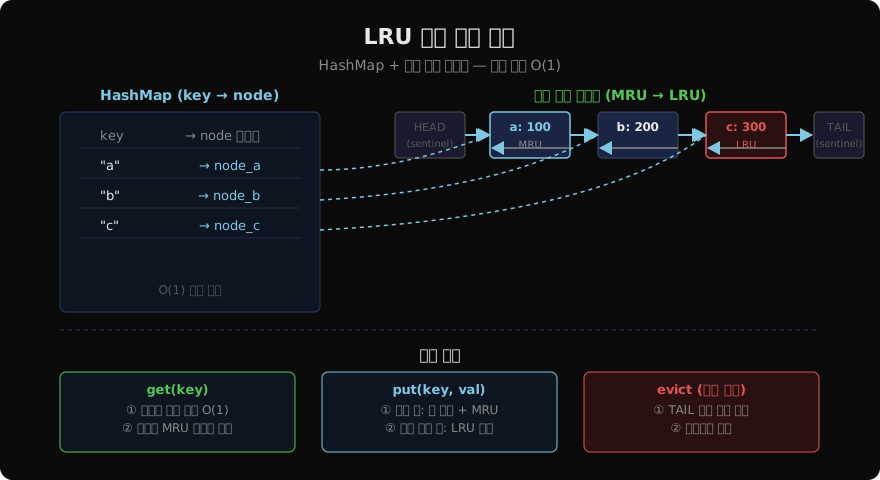
이중 연결 리스트는 MRU(Most Recently Used) → LRU 순서로 노드를 연결합니다. HEAD 직후가 MRU, TAIL 직전이 LRU입니다.
HashMap은 key → 노드 포인터를 저장해 O(1)로 노드에 직접 접근합니다.
두 자료구조의 결합으로:
get: 맵에서 노드 찾기 O(1) + 리스트에서 HEAD 직후로 이동 O(1)put: 노드 생성 O(1) + HEAD 직후 삽입 O(1) + 필요 시 TAIL 직전 제거 O(1)
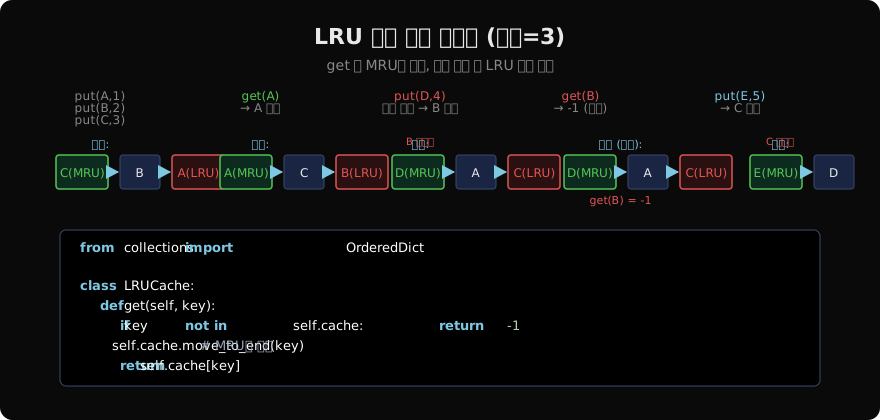
동작 시퀀스
Python 구현 — OrderedDict 활용
from collections import OrderedDict

class LRUCache:
    def __init__(self, capacity: int):
        self.capacity = capacity
        self.cache = OrderedDict()

    def get(self, key: int) -> int:
        if key not in self.cache:
            return -1
        self.cache.move_to_end(key)   # MRU로 승격
        return self.cache[key]

    def put(self, key: int, value: int) -> None:
        if key in self.cache:
            self.cache.move_to_end(key)
        self.cache[key] = value
        if len(self.cache) > self.capacity:
            self.cache.popitem(last=False)   # LRU 제거

# 테스트 (LeetCode #146)
cache = LRUCache(3)
cache.put(1, 10)
cache.put(2, 20)
cache.put(3, 30)
print(cache.get(1))    # 10 — 1이 MRU로 승격
cache.put(4, 40)       # 용량 초과 → 2 제거 (가장 오래된)
print(cache.get(2))    # -1 (제거됨)
Python 구현 — 직접 이중 연결 리스트
class Node:
    __slots__ = ('key', 'val', 'prev', 'next')
    def __init__(self, key=0, val=0):
        self.key = key
        self.val = val
        self.prev = self.next = None

class LRUCache:
    def __init__(self, capacity: int):
        self.cap = capacity
        self.map = {}
        self.head = Node()   # sentinel
        self.tail = Node()   # sentinel
        self.head.next = self.tail
        self.tail.prev = self.head

    def _remove(self, node: Node):
        node.prev.next = node.next
        node.next.prev = node.prev

    def _insert_after_head(self, node: Node):
        node.next = self.head.next
        node.prev = self.head
        self.head.next.prev = node
        self.head.next = node

    def get(self, key: int) -> int:
        if key not in self.map:
            return -1
        node = self.map[key]
        self._remove(node)
        self._insert_after_head(node)
        return node.val

    def put(self, key: int, value: int) -> None:
        if key in self.map:
            self._remove(self.map[key])
        node = Node(key, value)
        self.map[key] = node
        self._insert_after_head(node)
        if len(self.map) > self.cap:
            lru = self.tail.prev
            self._remove(lru)
            del self.map[lru.key]
다른 캐시 교체 정책
| 정책 | 제거 기준 | 특징 |
|---|---|---|
| LRU | 가장 오래된 사용 | 구현 단순, 일반적으로 효과적 |
| LFU | 가장 적게 사용 | 빈도 추적 필요, 콜드 스타트 문제 |
| FIFO | 가장 먼저 삽입 | 단순, 성능은 보통 |
| ARC | LRU+LFU 혼합 | ZFS 파일시스템 사용 |
| 2Q | 2단계 큐 | DB 버퍼 풀에서 활용 |
지난 글: 집합 자료구조 (Set)
다음 글: 트리 기초 (Tree Basics)
읽어주셔서 감사합니다. 😊
PALDYN / ARTICLE AI
글의 개념, 수식, 코드에 대해 물어보세요.
질문과 관련된 문단을 골라 답변의 문맥으로 사용합니다.생각 중 · 0초