

Java clone() — Cloneable과 깊은 복사·얕은 복사
Object.clone()의 동작 원리와 Cloneable 마커 인터페이스, 얕은 복사와 깊은 복사의 차이, clone()을 올바르게 구현하는 방법, 그리고 복사 생성자와 정적 팩터리 메서드를 대안으로 활용하는 방법을 실전 코드로 정리한다
지난 글에서 toString()의 구현 패턴과 주의사항을 살펴봤다. 이번에는 Object.clone()을 다룬다. 객체를 복사하는 가장 기본적인 방법이지만, 설계에 여러 결함이 있어 현대 Java에서는 대안을 더 많이 사용한다.
clone()의 기본 동작
Object.clone()은 현재 객체의 얕은 복사(shallow copy)를 반환한다. 새 객체를 만들고, 원래 객체의 모든 필드를 비트 단위로 복사한다.
Object.clone() // protected, CloneNotSupportedException 던짐호출하려면 두 가지 조건이 필요하다.
- 클래스가
Cloneable인터페이스를 구현해야 한다 clone()을public으로 오버라이드해야 한다
Cloneable을 구현하지 않고 clone()을 호출하면 CloneNotSupportedException이 발생한다.
기본 clone() 구현
class Point implements Cloneable {
    int x, y;

    Point(int x, int y) { this.x = x; this.y = y; }

    @Override
    public Point clone() {
        try {
            return (Point) super.clone();
        } catch (CloneNotSupportedException e) {
            throw new AssertionError(); // Cloneable 구현했으므로 발생 불가
        }
    }
}

Point original = new Point(1, 2);
Point copy = original.clone();
System.out.println(copy.x + ", " + copy.y); // 1, 2
System.out.println(original == copy);        // false — 다른 객체
프리미티브 필드만 있는 경우 super.clone()만으로 충분하다.
얕은 복사의 함정
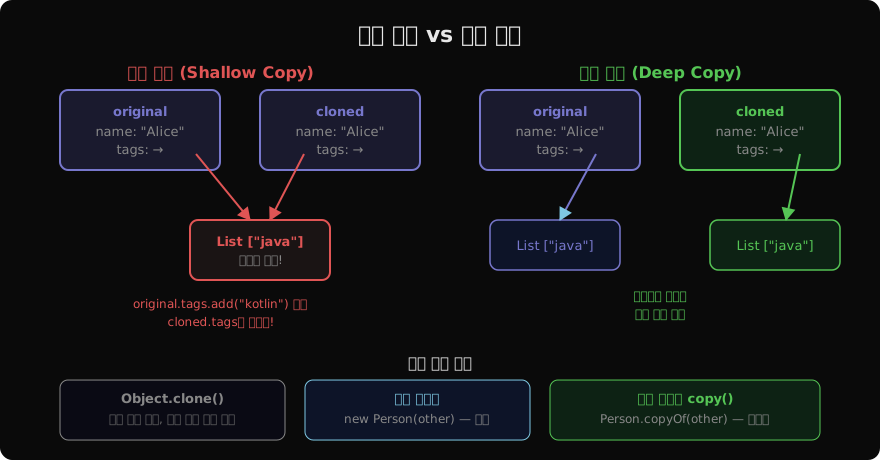
참조 타입 필드(배열, 컬렉션, 다른 객체)가 있을 때 얕은 복사는 같은 객체를 참조한다.
class Profile implements Cloneable {
    String name;
    List<String> tags;

    Profile(String name, List<String> tags) {
        this.name = name;
        this.tags = tags;
    }

    @Override
    public Profile clone() {
        try {
            return (Profile) super.clone(); // tags는 같은 List를 가리킴
        } catch (CloneNotSupportedException e) {
            throw new AssertionError();
        }
    }
}

Profile original = new Profile("Alice", new ArrayList<>(List.of("java")));
Profile copy = original.clone();

copy.tags.add("kotlin"); // 원본도 변경됨!
System.out.println(original.tags); // [java, kotlin] ← 의도치 않은 변경name(String은 불변)은 괜찮지만, tags는 복사본과 원본이 같은 List 객체를 공유한다.
깊은 복사 구현
참조 필드를 개별적으로 복사해 독립적인 객체를 만든다.
@Override
public Profile clone() {
    try {
        Profile copy = (Profile) super.clone();
        copy.tags = new ArrayList<>(this.tags); // 깊은 복사
        return copy;
    } catch (CloneNotSupportedException e) {
        throw new AssertionError();
    }
}

Profile original = new Profile("Alice", new ArrayList<>(List.of("java")));
Profile copy = original.clone();

copy.tags.add("kotlin");
System.out.println(original.tags); // [java] — 분리됨
System.out.println(copy.tags);     // [java, kotlin]
중첩된 가변 객체가 있다면 모든 단계를 깊은 복사해야 한다. 구조가 복잡할수록 구현이 어려워진다.
배열의 clone()
배열은 Cloneable을 이미 구현하고 있어 clone()을 바로 호출할 수 있다.
int[] original = {1, 2, 3};
int[] copy = original.clone();
copy[0] = 99;
System.out.println(original[0]); // 1 — 프리미티브 배열은 깊은 복사

String[] names = {"Alice", "Bob"};
String[] nameCopy = names.clone();
// String은 불변이라 얕은 복사도 안전

int[][] matrix = {{1, 2}, {3, 4}};
int[][] matrixCopy = matrix.clone();
matrixCopy[0][0] = 99;
System.out.println(matrix[0][0]); // 99 — 2차원 배열은 내부 배열 공유!
2차원 배열의 경우 외부 배열은 복사되지만 내부 배열은 공유된다.
clone()의 설계 결함
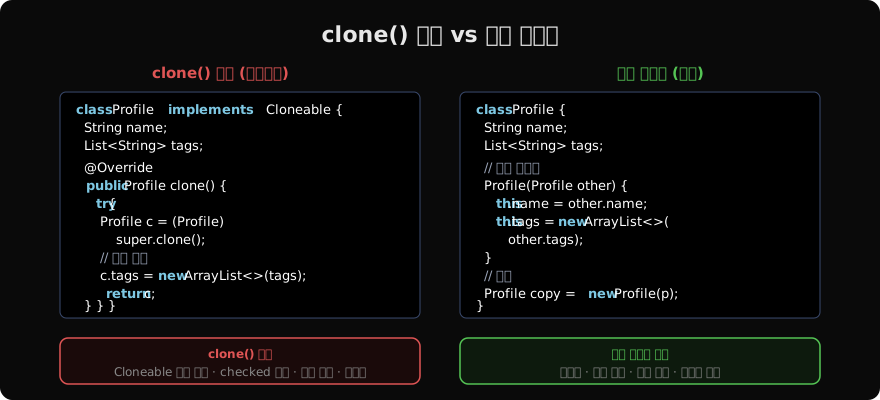
clone()에는 여러 구조적 문제가 있다.
Cloneable의 역설: Cloneable 인터페이스에 clone() 메서드가 없다. clone()은 Object에 있다. 마커 인터페이스를 구현해야 super.clone()이 작동하는 비직관적 설계다.
checked 예외: CloneNotSupportedException은 Cloneable을 구현한 클래스에서 절대 발생하지 않는데도 항상 처리해야 한다.
상속 문제: 서브클래스가 추가 필드를 갖는다면 부모의 clone()이 서브클래스 타입을 정확히 반환해도 새 필드는 복사되지 않는다.
생성자 우회: clone()은 생성자를 호출하지 않는다. 생성자에서 초기화하는 불변식(invariant)이 깨질 수 있다.
대안: 복사 생성자
clone() 대신 복사 생성자(copy constructor)가 훨씬 명확하다.
class Profile {
    String name;
    List<String> tags;

    // 복사 생성자
    Profile(Profile other) {
        this.name = other.name;
        this.tags = new ArrayList<>(other.tags); // 깊은 복사
    }
}

Profile original = new Profile("Alice", List.of("java"));
Profile copy = new Profile(original); // 명시적, 예외 없음
복사 생성자는 Cloneable 없이 동작하고, checked 예외도 없으며, 상속과 독립적이다.
대안: 정적 팩터리 메서드
class Profile {
    static Profile copyOf(Profile other) {
        return new Profile(other.name, new ArrayList<>(other.tags));
    }
}

Profile copy = Profile.copyOf(original);
이름에서 복사 의도가 명확히 드러난다.
언제 clone()을 써야 하나
배열 복사(Arrays.copyOf())나 컬렉션의 생성자 복사(new ArrayList<>(other))처럼 내부적으로 clone()을 사용하는 경우가 여전히 있다. 직접 코드에서는 복사 생성자나 직렬화 기반 깊은 복사를 선호하는 것이 좋다.
Object.clone()은 Java 초기 설계의 실수 중 하나로 꼽힌다. 새 코드에서는 복사 생성자나 불변 객체 + record를 선호하라. 다음 글에서는 finalize() 메서드의 제거 이유와 자원 관리 대안(try-with-resources, Cleaner)을 다룬다.
지난 글: Java toString() — 의미 있는 문자열 표현 만들기
다음 글: Java finalize() 제거 — try-with-resources와 Cleaner 대안
읽어주셔서 감사합니다. 😊
PALDYN / ARTICLE AI
글의 개념, 수식, 코드에 대해 물어보세요.
질문과 관련된 문단을 골라 답변의 문맥으로 사용합니다.생각 중 · 0초