

CompletableFuture 기초와 비동기 파이프라인
Java 8에서 도입된 CompletableFuture의 생성 방법, 상태 전이, 콜백 체이닝(thenApply/thenCompose/thenAccept), 동기 vs 비동기 변형, 그리고 get()과 join()의 차이를 실전 예제로 정리합니다.
지난 글에서 RecursiveTask와 RecursiveAction으로 Fork/Join 태스크를 구현하는 방법을 살펴봤습니다. Fork/Join은 CPU 바운드 분할 정복에 특화됐지만, 실제 서비스에서 더 자주 만나는 시나리오는 여러 비동기 I/O 작업을 조합해 하나의 결과를 만드는 것입니다. Java 8에서 도입된 CompletableFuture는 이런 복잡한 비동기 조합을 콜백 체이닝으로 우아하게 표현하게 해 줍니다.
CompletableFuture란
java.util.concurrent.CompletableFuture<T>는 Future<T>와 CompletionStage<T>를 모두 구현합니다.
Future<T>: 비동기 작업의 결과 핸들 (Java 5)CompletionStage<T>: 완료 시 콜백/변환을 체이닝할 수 있는 단계 인터페이스
Future는 결과를 get()으로만 꺼낼 수 있어 콜백이 불가능했습니다. CompletableFuture는 완료 시 자동 실행되는 콜백 파이프라인을 구성할 수 있어 논블로킹 비동기 흐름을 표현합니다.
생성 방법
// 1. supplyAsync: 값을 반환하는 비동기 작업
CompletableFuture<String> cf1 =
    CompletableFuture.supplyAsync(() -> fetchData());

// 2. runAsync: void 비동기 작업
CompletableFuture<Void> cf2 =
    CompletableFuture.runAsync(() -> sendEmail());

// 3. completedFuture: 이미 완료된 결과로 생성
CompletableFuture<String> cf3 =
    CompletableFuture.completedFuture("즉시 완료");

// 4. 직접 제어용 (수동 complete)
CompletableFuture<String> cf4 = new CompletableFuture<>();
// 나중에: cf4.complete("result");supplyAsync와 runAsync의 기본 실행 스레드는 ForkJoinPool.commonPool()입니다. 두 번째 인자로 Executor를 넘기면 별도 스레드 풀을 사용합니다.
상태 전이
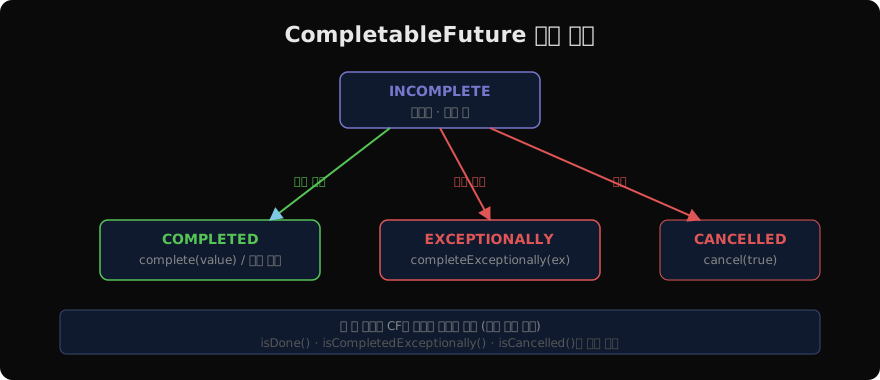
CompletableFuture는 세 가지 완료 상태로 전이되며, 한 번 완료되면 상태가 바뀌지 않습니다.
콜백 파이프라인
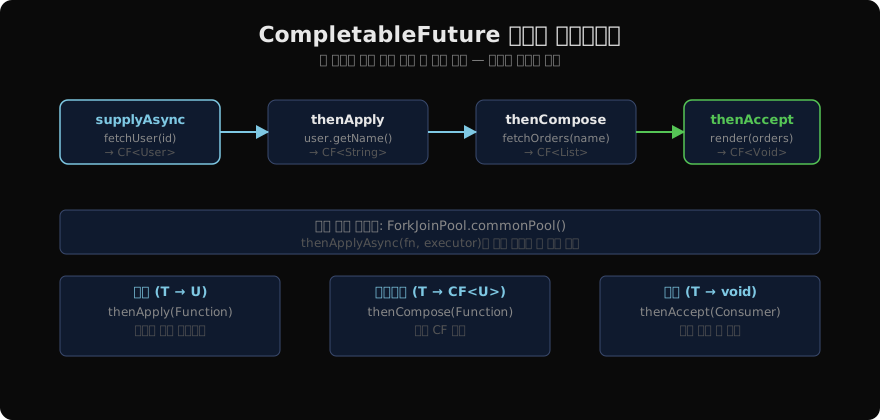
CompletableFuture.supplyAsync(() -> fetchUser(userId))   // CF<User>
    .thenApply(User::getName)                            // CF<String>
    .thenCompose(name -> fetchOrdersAsync(name))         // CF<List<Order>>
    .thenAccept(orders -> render(orders))                // CF<Void>
    .exceptionally(ex -> {
        log.error("오류", ex); return null;
    });
각 단계는 이전 단계가 완료되면 자동으로 실행됩니다. 스레드를 블로킹하지 않아도 됩니다.
핵심 콜백 메서드
| 메서드 | 입력 | 출력 | 용도 |
|---|---|---|---|
thenApply(fn) | T | U | 값 변환 |
thenCompose(fn) | T | CF<U> | 중첩 CF 플래트닝 |
thenAccept(fn) | T | void | 결과 소비 |
thenRun(fn) | (없음) | void | 완료 후 실행 |
thenCombine(cf2, fn) | T, U | V | 두 결과 결합 |
thenApply vs thenCompose: thenApply는 동기 변환, thenCompose는 비동기 함수(CF를 반환)를 받아 중첩을 방지합니다.
// thenApply는 CF<CF<String>>이 되어버림 (비추)
CompletableFuture<CompletableFuture<String>> bad =
    cf.thenApply(t -> fetchAsync(t));

// thenCompose는 CF<String>으로 플래트닝 (권장)
CompletableFuture<String> good =
    cf.thenCompose(t -> fetchAsync(t));
동기 vs 비동기 변형
모든 then* 메서드에는 Async 접미사 버전이 있습니다.
cf.thenApply(fn)           // 완료 스레드(또는 현재 스레드)에서 실행
cf.thenApplyAsync(fn)      // commonPool에서 실행
cf.thenApplyAsync(fn, ex)  // 지정 Executor에서 실행
CPU 가벼운 변환은 thenApply(컨텍스트 스위치 없음), I/O 작업이나 오래 걸리는 작업은 thenApplyAsync를 씁니다.
get() vs join()
// get() — 체크 예외 (InterruptedException, ExecutionException)
try {
    String result = cf.get();
    String result2 = cf.get(5, TimeUnit.SECONDS); // 타임아웃
} catch (InterruptedException | ExecutionException e) { ... }

// join() — 언체크 예외 (CompletionException)
String result = cf.join(); // 파이프라인 내부에서 자주 사용join()은 파이프라인 안(thenApply 람다 등)에서 다른 CF를 기다릴 때 코드가 간결해서 선호됩니다. get()은 외부에서 타임아웃을 걸어야 할 때 사용합니다.
수동 완료
CompletableFuture<String> cf = new CompletableFuture<>();

// 비동기 이벤트(콜백, 이벤트 루프 등)에서 직접 완료
eventBus.on("data", event -> cf.complete(event.data()));
eventBus.on("error", err -> cf.completeExceptionally(err.cause()));

String result = cf.join(); // 이벤트 올 때까지 대기
이 패턴은 레거시 콜백 API를 CompletableFuture로 래핑할 때 유용합니다.
지난 글: RecursiveTask와 RecursiveAction 완전 정복
다음 글: CompletableFuture 조합 연산자 완전 정복
읽어주셔서 감사합니다. 😊
PALDYN / ARTICLE AI
글의 개념, 수식, 코드에 대해 물어보세요.
질문과 관련된 문단을 골라 답변의 문맥으로 사용합니다.생각 중 · 0초