

커링(Currying) — 다중 인자 함수를 단계적 함수로 분해하기
Java 커링 완전 분석 — 커링 개념과 부분 적용 차이, Function 체인으로 구현하는 커링 패턴, BiFunction 커링, 로거·검증·설정 팩토리 등 실전 활용, 커링이 적합한 상황과 오남용 주의점
지난 글에서 andThen·compose로 함수를 합성하는 방법을 익혔다. 이번에는 커링(Currying) 을 다룬다. 커링은 여러 인자를 받는 함수를 인자 하나씩 받는 함수들의 연쇄로 변환하는 기법이다. 수학자 Haskell Curry의 이름에서 유래했으며, 함수형 언어에서는 기본 동작이지만 Java에서는 Function 중첩으로 직접 구현해야 한다.
커링이 필요한 이유
일반적인 함수 f(a, b)는 두 인자를 반드시 동시에 제공해야 한다. 하지만 실무에서는 첫 번째 인자는 정해져 있고 두 번째 인자만 나중에 결정되는 경우가 많다. 커링은 이런 상황에서 함수의 인자를 단계적으로 적용할 수 있게 해준다.
// 커링 없이: 항상 두 인자를 동시에 전달
int add(int a, int b) { return a + b; }
add(3, 4); // 7

// 커링: 첫 번째 인자만 먼저 고정
Function<Integer, Function<Integer, Integer>> curriedAdd =
    a -> b -> a + b;

Function<Integer, Integer> addThree = curriedAdd.apply(3); // 첫 인자 3 고정
addThree.apply(4); // 7 — 나중에 두 번째 인자 제공
addThree.apply(10); // 13 — 같은 함수 재사용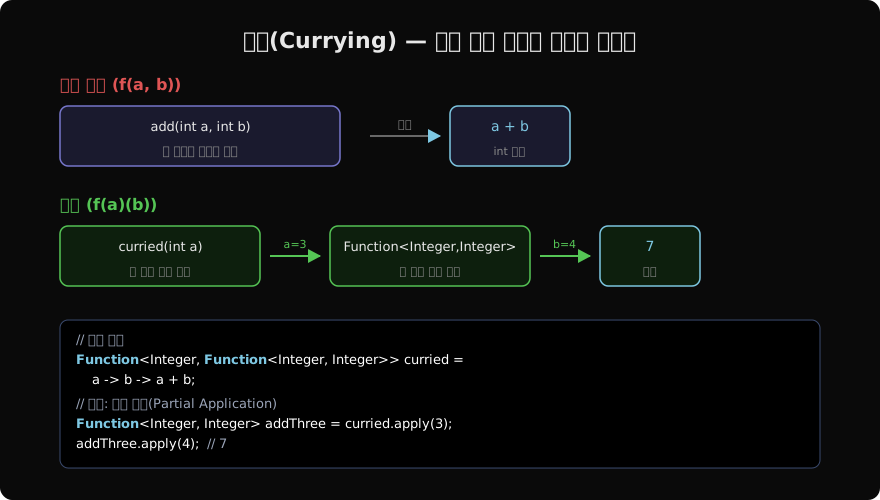
커링과 부분 적용의 차이
두 개념은 자주 혼동되지만 다르다.
| 구분 | 커링 | 부분 적용 |
|---|---|---|
| 정의 | f(a,b) → f(a)(b) — 인자를 1개씩 | 일부 인자를 미리 고정한 새 함수 |
| 결과 | 항상 단항 함수 체인 | 인자 수가 줄어든 함수 |
| Java 구현 | Function<A, Function<B, R>> | () -> original(fixed, ...) |
// 커링 — 인자를 1개씩 분리
Function<String, Function<String, String>> greet =
    greeting -> name -> greeting + ", " + name + "!";

// 부분 적용 — 일부 인자를 클로저로 캡처
String greeting = "Hello";
Function<String, String> helloTo = name -> greeting + ", " + name + "!";
BiFunction 커링
BiFunction<A, B, R>은 두 인자를 받는다. 커링하면 Function<A, Function<B, R>>이 된다.
import java.util.function.BiFunction;
import java.util.function.Function;

BiFunction<Integer, Integer, Integer> multiply = (a, b) -> a * b;

// BiFunction → 커링 변환
Function<Integer, Function<Integer, Integer>> curriedMultiply =
    a -> b -> multiply.apply(a, b);

Function<Integer, Integer> double_ = curriedMultiply.apply(2);
Function<Integer, Integer> triple  = curriedMultiply.apply(3);

double_.apply(5);  // 10
triple.apply(5);   // 15
실전 패턴
로거 팩토리
Function<String, Function<String, String>> log =
    level -> msg -> "[" + level + "] " + msg;

// 로그 레벨별 함수 미리 생성
Function<String, String> info  = log.apply("INFO");
Function<String, String> warn  = log.apply("WARN");
Function<String, String> error = log.apply("ERROR");

info.apply("서버 시작");           // [INFO] 서버 시작
warn.apply("DB 커넥션 풀 부족");   // [WARN] DB 커넥션 풀 부족
error.apply("NullPointerException"); // [ERROR] NullPointerException
검증 규칙 조립
Function<Integer, Predicate<Integer>> minCheck =
    min -> n -> n >= min;

Predicate<Integer> isAdult    = minCheck.apply(18);
Predicate<Integer> isPositive = minCheck.apply(1);

// 합성도 가능
Predicate<Integer> isValidAge = isAdult.and(minCheck.apply(0));
설정 팩토리
Function<String, Function<Integer, String>> endpoint =
    host -> port -> "http://" + host + ":" + port;

Function<Integer, String> localEndpoint = endpoint.apply("localhost");
localEndpoint.apply(8080);  // http://localhost:8080
localEndpoint.apply(9090);  // http://localhost:9090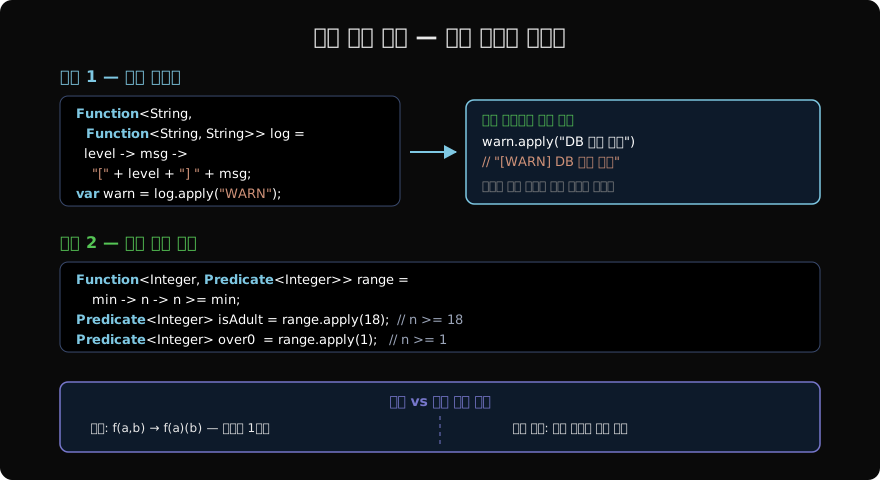
커링 유틸리티 헬퍼
반복적으로 사용한다면 헬퍼 메서드로 추출할 수 있다.
// BiFunction → 커링 변환 헬퍼
static <A, B, R> Function<A, Function<B, R>> curry(BiFunction<A, B, R> f) {
    return a -> b -> f.apply(a, b);
}

// 사용
Function<String, Function<String, Boolean>> startsWith =
    curry((s, prefix) -> s.startsWith(prefix));

Function<String, Boolean> isHttp = startsWith.apply("http");
isHttp.apply("https://example.com"); // true
isHttp.apply("ftp://files.com");     // false
주의사항
커링이 항상 좋은 것은 아니다. 남용하면 가독성이 오히려 나빠진다.
// 나쁜 예: 단순한 경우에 커링 강제 적용
Function<String, Function<String, Function<String, String>>> makeUrl =
    protocol -> host -> path -> protocol + "://" + host + "/" + path;
// 읽기 어렵고 사용도 불편: makeUrl.apply("https").apply("example.com").apply("api")

// 좋은 예: 메서드로 충분히 표현
String makeUrl(String protocol, String host, String path) {
    return protocol + "://" + host + "/" + path;
}
커링이 적합한 경우는 첫 번째 인자가 고정되어 재사용될 때, Stream이나 함수 합성 파이프라인에 넣을 단항 함수가 필요할 때다. 단순히 ‘함수형이니까’라는 이유로 커링을 쓰면 복잡도만 높아진다.
지난 글: 함수 합성 — andThen·compose·Predicate 조합 완전 정리
다음 글: 불변 객체(Immutable Objects) — 안전한 설계의 기초
읽어주셔서 감사합니다. 😊
PALDYN / ARTICLE AI
글의 개념, 수식, 코드에 대해 물어보세요.
질문과 관련된 문단을 골라 답변의 문맥으로 사용합니다.생각 중 · 0초