

PriorityQueue — 우선순위 큐의 힙 구조와 활용
PriorityQueue의 이진 최소 힙 내부 구조, offer/poll/peek API 차이, Comparator로 역순·커스텀 정렬, Top-K 문제와 다익스트라 등 실전 패턴, 그리고 스레드 안전 대안 PriorityBlockingQueue까지
지난 글에서 Queue와 Deque 인터페이스의 메서드 체계를 살펴봤다. 이번에는 PriorityQueue 를 다룬다. FIFO가 아닌 우선순위 기준으로 원소를 꺼내는 자료구조로, 내부는 이진 최소 힙(Binary Min-Heap)으로 구현돼 있다.
이진 힙 내부 구조
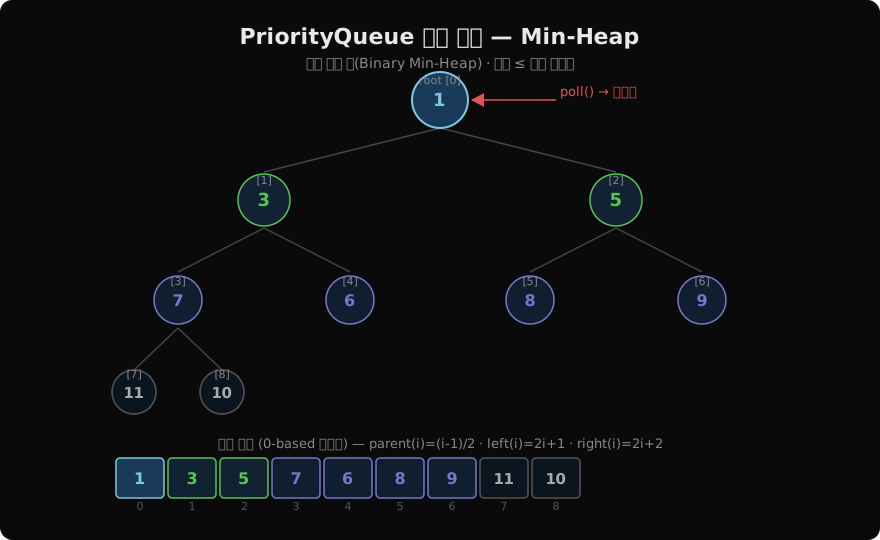
PriorityQueue는 내부적으로 배열 하나로 완전 이진 트리를 표현한다. 인덱스 관계는 다음과 같다.
- 부모:
(i - 1) / 2 - 왼쪽 자식:
2 * i + 1 - 오른쪽 자식:
2 * i + 2
불변식: 부모 노드의 값 ≤ 자식 노드의 값(Min-Heap). poll()은 루트(최솟값)를 꺼낸 뒤 마지막 원소를 루트로 올리고 sift-down으로 불변식을 복구한다. offer()는 배열 끝에 추가하고 sift-up으로 올린다.
PriorityQueue<Integer> pq = new PriorityQueue<>();
pq.offer(5);
pq.offer(1);
pq.offer(3);

System.out.println(pq.peek());  // 1 (최솟값, 제거 안 함)
System.out.println(pq.poll());  // 1 (제거)
System.out.println(pq.poll());  // 3
System.out.println(pq.poll());  // 5
초기 용량 기본값은 11이고, 용량 초과 시 내부 배열이 약 50% 증가한다. 처음부터 크기를 예측할 수 있으면 생성자에 초기 용량을 전달해 재할당을 줄인다.
시간 복잡도
| 연산 | 복잡도 |
|---|---|
offer(e) / add(e) | O(log n) |
poll() / remove() | O(log n) |
peek() / element() | O(1) |
remove(Object) | O(n) — 선형 탐색 후 sift |
contains(Object) | O(n) |
remove(Object)가 O(n)인 이유는 힙이 정렬된 배열이 아니기 때문이다. 원소 위치를 알 수 없어 전체를 순회해야 한다.
Comparator로 정렬 기준 변경
PriorityQueue의 기본 정렬은 자연 순서(Comparable)다. 역순이나 커스텀 기준을 쓰려면 생성자에 Comparator를 전달한다.
// Max-Heap: 가장 큰 값이 먼저 나옴
PriorityQueue<Integer> maxPq = new PriorityQueue<>(Comparator.reverseOrder());
maxPq.offer(5);
maxPq.offer(1);
maxPq.offer(3);
System.out.println(maxPq.poll()); // 5

// 커스텀 객체: 작업 우선순위 기준
record Task(String name, int priority) {}

PriorityQueue<Task> taskQueue = new PriorityQueue<>(
    Comparator.comparingInt(Task::priority)
);
taskQueue.offer(new Task("배포", 3));
taskQueue.offer(new Task("버그 수정", 1));
taskQueue.offer(new Task("코드 리뷰", 2));

while (!taskQueue.isEmpty()) {
    System.out.println(taskQueue.poll().name());
}
// 버그 수정 → 코드 리뷰 → 배포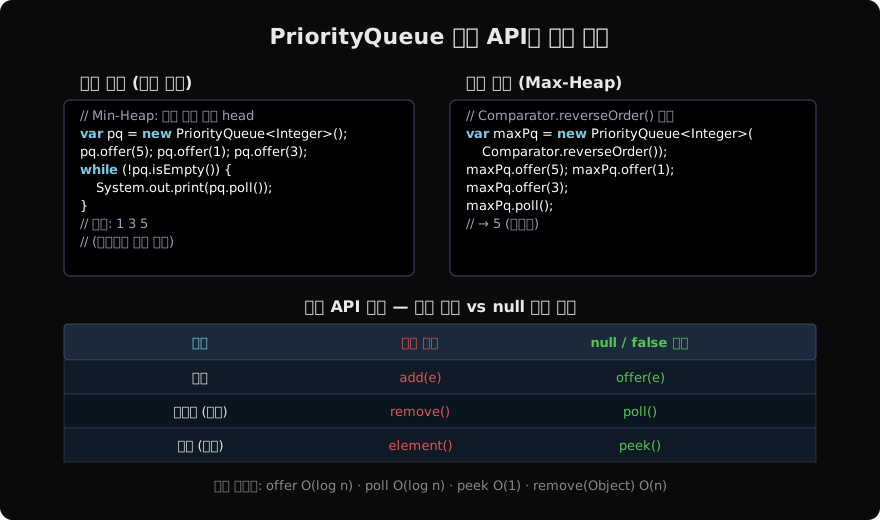
API: 예외 방식 vs null 반환 방식
PriorityQueue는 Queue 인터페이스를 구현하므로 두 쌍의 메서드가 있다.
PriorityQueue<Integer> pq = new PriorityQueue<>();

// 예외 방식 (큐가 비면 NoSuchElementException)
pq.add(1);
pq.remove();
pq.element();

// 안전 방식 (실패 시 null / false 반환)
pq.offer(1);
pq.poll();   // 비면 null
pq.peek();   // 비면 null
프로덕션 코드에서는 null 체크가 자연스러운 offer/poll/peek 조합을 선호한다.
Top-K 패턴
K번째로 큰 값을 찾는 고전 문제다. 크기 K의 Min-Heap을 유지하면 O(n log K)로 해결된다.
// 배열에서 K번째로 큰 값
int kthLargest(int[] nums, int k) {
    PriorityQueue<Integer> minHeap = new PriorityQueue<>(k);
    for (int n : nums) {
        minHeap.offer(n);
        if (minHeap.size() > k) {
            minHeap.poll(); // 가장 작은 값 제거
        }
    }
    return minHeap.peek(); // K번째로 큰 값
}
K개의 힙만 유지하므로 전체 정렬(O(n log n))보다 효율적이다.
주의사항
스레드 안전 아님: PriorityQueue는 동기화되지 않는다. 멀티스레드 환경에서는 PriorityBlockingQueue를 사용한다.
import java.util.concurrent.PriorityBlockingQueue;

PriorityBlockingQueue<Task> concurrentQueue =
    new PriorityBlockingQueue<>(11, Comparator.comparingInt(Task::priority));
null 삽입 금지: offer(null)은 NullPointerException을 던진다. 힙 정렬이 compareTo/compare를 호출하는데 null은 비교 불가능하기 때문이다.
반복 순서 보장 없음: for (int e : pq)는 힙 배열 순서(정렬 보장 없음)로 순회한다. 정렬 순서가 필요하면 poll()을 반복 호출한다.
다익스트라 알고리즘 스케치
그래프 최단 경로에서 PriorityQueue가 핵심 역할을 한다.
record Node(int id, int dist) {}

void dijkstra(int[][] graph, int src) {
    int n = graph.length;
    int[] dist = new int[n];
    Arrays.fill(dist, Integer.MAX_VALUE);
    dist[src] = 0;

    PriorityQueue<Node> pq = new PriorityQueue<>(
        Comparator.comparingInt(Node::dist)
    );
    pq.offer(new Node(src, 0));

    while (!pq.isEmpty()) {
        Node cur = pq.poll();
        if (cur.dist() > dist[cur.id()]) continue;
        for (int[] edge : neighbors(graph, cur.id())) {
            int next = edge[0], weight = edge[1];
            int newDist = dist[cur.id()] + weight;
            if (newDist < dist[next]) {
                dist[next] = newDist;
                pq.offer(new Node(next, newDist));
            }
        }
    }
}
PriorityQueue 덕분에 항상 현재까지 가장 짧은 거리의 노드를 O(log n)에 꺼낼 수 있다.
지난 글: Queue와 Deque — 큐와 양방향 큐 인터페이스
다음 글: Collections 유틸리티 — 정렬·검색·동기화 래퍼
읽어주셔서 감사합니다. 😊
PALDYN / ARTICLE AI
글의 개념, 수식, 코드에 대해 물어보세요.
질문과 관련된 문단을 골라 답변의 문맥으로 사용합니다.생각 중 · 0초