

RuntimeException 종류 — 주요 비검사 예외 완전 정리
Java RuntimeException 종류 완전 정리 — NullPointerException Helpful NPE, IllegalArgumentException, IllegalStateException, IndexOutOfBoundsException, ClassCastException, ConcurrentModificationException 발생 원인과 방어 패턴
지난 글에서 예외 체이닝으로 원인 예외를 보존하는 방법을 살펴봤다. 이번에는 일상적으로 가장 자주 마주치는 RuntimeException 하위 예외들의 발생 원인과 방어 방법을 정리한다.
RuntimeException의 특성
RuntimeException과 그 하위 클래스들은 비검사 예외(Unchecked Exception)다. 컴파일러가 throws 선언이나 try-catch를 강제하지 않는다. 대부분 프로그래밍 오류에서 발생하므로 예외를 잡아서 복구하기보다는 오류를 수정하는 것이 올바른 접근이다.
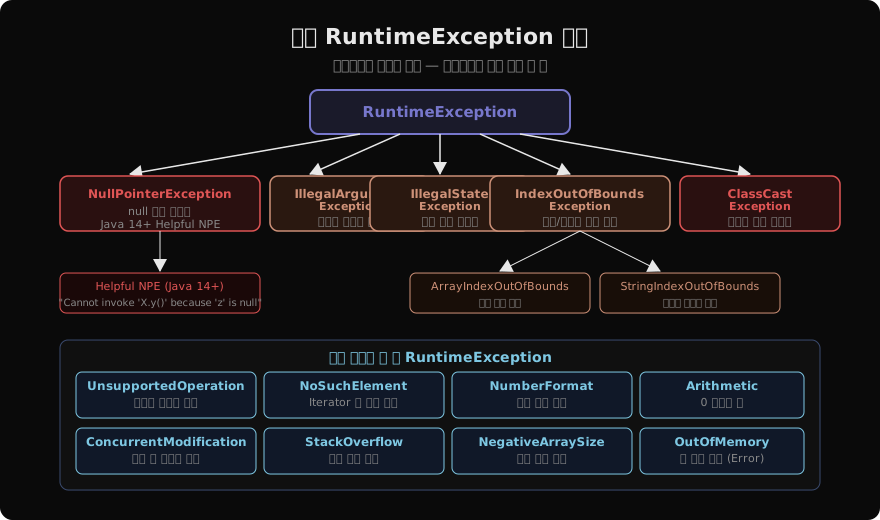
NullPointerException (NPE)
Java에서 가장 악명 높은 예외. null 참조에 메서드를 호출하거나 필드에 접근할 때 발생한다.
// NPE 발생 상황들
String s = null;
s.length();           // NPE: null 객체 메서드 호출

Integer n = null;
int i = n;            // NPE: null 오토언박싱

String[] arr = new String[3]; // arr[0]은 null
arr[0].toUpperCase(); // NPE: null 배열 원소 메서드 호출

// 체인 중 null
user.getAddress().getCity().toUpperCase(); // 어느 단계든 null이면 NPE
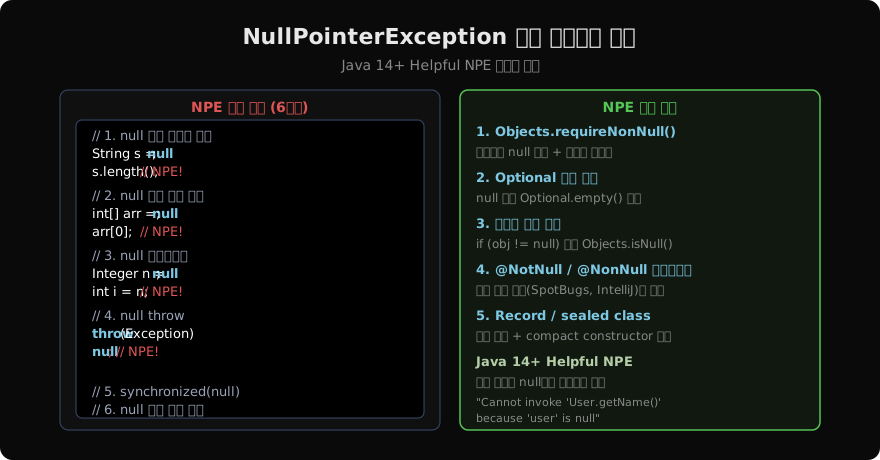
Java 14+ Helpful NPE
Java 14부터 NPE 메시지가 어떤 변수가 null인지 명시한다.
NullPointerException: Cannot invoke "String.length()" because "s" is null
NullPointerException: Cannot invoke "Address.getCity()" because the return
  value of "User.getAddress()" is null
-XX:+ShowCodeDetailsInExceptionMessages 플래그로 활성화(Java 14-16), Java 17부터 기본 활성화.
NPE 방어
// Objects.requireNonNull — 파라미터 검증
public void setName(String name) {
    this.name = Objects.requireNonNull(name, "name must not be null");
}

// Optional — null 대신 Optional 반환
public Optional<User> findByEmail(String email) {
    return Optional.ofNullable(userMap.get(email));
}

// 체인 중 null 방어
String city = Optional.ofNullable(user)
    .map(User::getAddress)
    .map(Address::getCity)
    .orElse("알 수 없음");
IllegalArgumentException
메서드에 전달된 인수가 유효하지 않을 때 던진다.
public static int factorial(int n) {
    if (n < 0) {
        throw new IllegalArgumentException("n must be >= 0, but was: " + n);
    }
    // ...
}

// API 계약 위반
public void setAge(int age) {
    if (age < 0 || age > 150) {
        throw new IllegalArgumentException("Invalid age: " + age);
    }
    this.age = age;
}IllegalArgumentException은 호출자의 실수를 알릴 때 사용한다. 메시지에 잘못된 값을 포함해야 디버깅이 쉽다.
IllegalStateException
메서드가 올바른 인수를 받았지만 객체의 현재 상태에서는 호출이 허용되지 않을 때 던진다.
public class Connection {
    private boolean open = false;

    public void open() {
        open = true;
    }

    public void query(String sql) {
        if (!open) {
            throw new IllegalStateException("Connection is not open");
        }
        // ...
    }
}

// Iterator에서도 발생
Iterator<String> it = list.iterator();
it.remove(); // next() 호출 전 remove() → IllegalStateExceptionIAE는 잘못된 인수, ISE는 잘못된 호출 순서(상태)를 나타낸다.
IndexOutOfBoundsException
배열이나 리스트의 유효 범위를 벗어난 인덱스에 접근할 때 발생한다.
int[] arr = new int[3]; // 인덱스 0, 1, 2
arr[3] = 10; // ArrayIndexOutOfBoundsException: Index 3 out of bounds for length 3

List<String> list = List.of("a", "b");
list.get(5); // IndexOutOfBoundsException: Index: 5, Size: 2

String s = "hello";
s.charAt(10); // StringIndexOutOfBoundsException: String index out of range: 10
방어: index >= 0 && index < arr.length 검사, 또는 Objects.checkIndex(index, length) (Java 9+).
ClassCastException
객체를 실제 타입과 맞지 않는 타입으로 캐스팅할 때 발생한다.
Object obj = "hello";
Integer n = (Integer) obj; // ClassCastException: String cannot be cast to Integer
방어: instanceof 먼저 확인 (또는 Java 16+ pattern matching)
if (obj instanceof Integer n) {
    System.out.println(n * 2); // 안전한 사용
}

// Java 16 이전
if (obj instanceof Integer) {
    Integer n = (Integer) obj;
}
제네릭 코드에서 raw 타입을 사용하면 힙 오염(Heap Pollution)으로 CCE가 예측하지 못한 곳에서 발생할 수 있다.
ConcurrentModificationException
컬렉션을 for-each나 Iterator로 순회하는 도중 구조를 변경(추가/삭제)하면 발생한다.
List<String> list = new ArrayList<>(List.of("a", "b", "c"));

// ❌ CME 발생
for (String s : list) {
    if (s.equals("b")) {
        list.remove(s); // ConcurrentModificationException!
    }
}

// ✅ Iterator.remove() 사용
Iterator<String> it = list.iterator();
while (it.hasNext()) {
    if (it.next().equals("b")) {
        it.remove(); // 안전
    }
}

// ✅ removeIf() (Java 8+)
list.removeIf(s -> s.equals("b"));
멀티스레드 환경에서는 CopyOnWriteArrayList 또는 동기화된 컬렉션을 사용한다.
ArithmeticException
int result = 10 / 0; // ArithmeticException: / by zero

// float/double은 NPE 안 던짐 — 특수값 반환
double d = 10.0 / 0.0; // Infinity
double nan = 0.0 / 0.0; // NaN
NumberFormatException
int n = Integer.parseInt("abc"); // NumberFormatException
int m = Integer.parseInt("999999999999"); // NumberFormatException (int 범위 초과)

// 방어: try-catch 또는 사전 검증
try {
    int val = Integer.parseInt(input);
} catch (NumberFormatException e) {
    // 사용자 입력 오류 처리
}
StackOverflowError
RuntimeException이 아니라 Error지만 자주 만나는 예외다. 재귀 종료 조건 없이 무한 재귀 호출될 때 발생한다.
public int infinite(int n) {
    return infinite(n + 1); // 종료 조건 없음 → StackOverflowError
}
요약 — RuntimeException 대응 원칙
| 예외 | 발생 원인 | 대응 |
|---|---|---|
| NPE | null 참조 역참조 | requireNonNull, Optional |
| IAE | 잘못된 인수 | 파라미터 검증 후 던지기 |
| ISE | 잘못된 호출 순서 | 상태 검증 |
| IOOBE | 인덱스 범위 초과 | 범위 검사 |
| CCE | 잘못된 타입 캐스팅 | instanceof 확인 |
| CME | 순회 중 컬렉션 수정 | Iterator.remove(), removeIf() |
RuntimeException은 잡아서 복구하려 하기보다 발생하지 않도록 코드를 수정하는 것이 원칙이다.
지난 글: 예외 체이닝 — 원인 예외를 보존하는 방법
다음 글: 예외 처리 베스트 프랙티스 — 올바른 예외 설계 원칙
읽어주셔서 감사합니다. 😊
PALDYN / ARTICLE AI
글의 개념, 수식, 코드에 대해 물어보세요.
질문과 관련된 문단을 골라 답변의 문맥으로 사용합니다.생각 중 · 0초