

async/await 내부 동작 — 제너레이터와 Promise의 결합
async/await가 내부적으로 Promise 체이닝으로 변환되는 디슈가링 원리, await의 실행 흐름, 직렬·병렬 패턴, forEach 함정, return/return await 차이를 정리합니다.
지난 글에서 Promise.all, allSettled, race, any를 살펴봤습니다. 이번에는 이 모든 Promise 조작을 동기 코드처럼 작성하게 해주는 async/await의 내부 동작을 파헤칩니다.
async 함수는 항상 Promise를 반환
async 키워드를 붙이면 그 함수는 항상 Promise를 반환합니다.
async function greet() {
  return 'hello'; // fulfilled('hello') 로 자동 래핑
}

greet().then(console.log); // 'hello'
명시적으로 Promise를 반환해도 됩니다. 이미 Promise라면 그대로 전달되고(동화 규칙), 원시 값이면 fulfilled(value)로 래핑됩니다.
await의 정확한 동작
await 표현식에 도달하면 다음이 일어납니다.
- 현재 async 함수 실행 일시 중지 — 나머지 코드로 제어권 반환
- 이벤트 루프가 다른 태스크 처리 가능
- await 대상 Promise가 settled 되면 마이크로태스크로 재개
- fulfilled면 값이 표현식 결과, rejected면 예외로 전파
async function demo() {
  console.log('A');
  const val = await Promise.resolve(42); // 여기서 일시 중지
  console.log('C:', val);
}

demo();
console.log('B');
// 출력: A → B → C: 42'B'가 'C' 앞에 오는 이유는 await 이후 코드가 마이크로태스크로 예약되기 때문입니다.
async/await 디슈가링
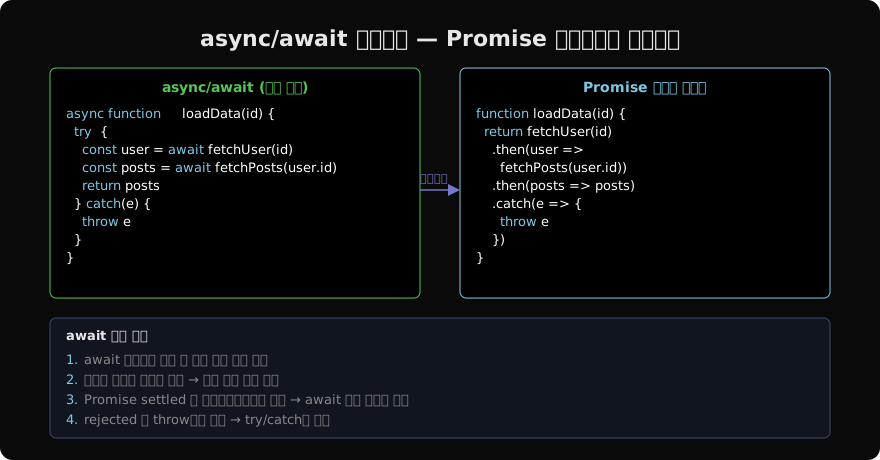
async/await는 제너레이터 + Promise를 결합한 문법 설탕입니다. 트랜스파일러(Babel)는 이를 .then 체이닝으로 변환합니다.
// async/await
async function loadData(id) {
  const user = await fetchUser(id);
  const posts = await fetchPosts(user.id);
  return posts;
}

// 근사적 동등물 (단순화)
function loadData(id) {
  return fetchUser(id)
    .then(user => fetchPosts(user.id))
    .then(posts => posts);
}
실제로는 제너레이터 프로토콜을 사용하거나, 최신 엔진은 네이티브로 최적화합니다.
직렬 vs 병렬 — 흔한 성능 함정
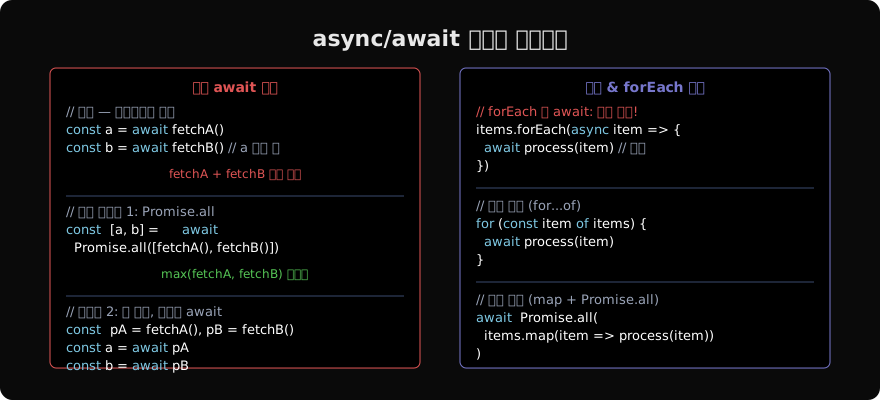
// 직렬 (잘못된 패턴 — 순서 의존성 없을 때)
const a = await fetchA(); // fetchA 완료까지 대기
const b = await fetchB(); // 그 다음 fetchB 시작

// 병렬 (올바른 패턴)
const [a, b] = await Promise.all([fetchA(), fetchB()]);
두 요청이 독립적이라면 Promise.all로 병렬화해야 합니다. 직렬 패턴은 두 요청의 실행 시간이 합산됩니다.
// 선 시작, 후 await — 병렬성 보장
const pA = fetchA();
const pB = fetchB(); // fetchA 완료 기다리지 않고 즉시 시작
const a = await pA;
const b = await pB;
forEach 함정
Array.prototype.forEach는 비동기를 인식하지 못합니다.
// 잘못된 패턴 — forEach는 반환된 Promise를 무시
items.forEach(async (item) => {
  await process(item); // 에러가 전파되지 않음
});
// forEach는 완료를 기다리지 않음

// 순차 처리
for (const item of items) {
  await process(item);
}

// 병렬 처리
await Promise.all(items.map(item => process(item)));
return vs return await
함수 마지막에 return await를 쓰면 스택 트레이스가 개선되지만 성능에는 차이가 없습니다.
// return promise (try/catch 맥락 없을 때 동일)
async function fetchDirect() {
  return fetchData(); // 에러가 함수 외부에서 발생
}

// return await (try/catch와 함께 — 차이 있음)
async function fetchWithCatch() {
  try {
    return await fetchData(); // 에러가 여기 catch로 잡힘
  } catch (e) {
    handleError(e);
  }
}
try/catch 블록 안에서 return await를 생략하면 catch가 작동하지 않습니다. try/catch 안에서는 항상 return await를 쓰세요.
최상위 await (Top-Level Await)
ES2022부터 모듈 최상위 레벨에서 await를 사용할 수 있습니다.
// module.js
const config = await fetch('/config.json').then(r => r.json());
export const API_URL = config.apiUrl;
이를 import하는 모듈은 해당 모듈이 완전히 초기화될 때까지 자동으로 대기합니다. CJS에서는 불가하며 ESM에서만 동작합니다.
지난 글: Promise 조합 — all·allSettled·race·any
다음 글: async/await 에러 처리 패턴 — try/catch·에러 래핑·fallback
읽어주셔서 감사합니다. 😊
PALDYN / ARTICLE AI
글의 개념, 수식, 코드에 대해 물어보세요.
질문과 관련된 문단을 골라 답변의 문맥으로 사용합니다.생각 중 · 0초