

Promise 체이닝과 에러 처리 — .then·.catch·.finally
Promise 체이닝의 값 전달 메커니즘, .catch와 .finally의 정확한 동작, 중첩 안티패턴, return 누락 실수, 에러 복구 패턴을 코드와 함께 설명합니다.
지난 글에서 Promise의 세 가지 상태와 상태 불변성을 살펴봤습니다. 이번에는 Promise를 실제로 조합하는 방법인 체이닝과 그 과정에서 에러를 처리하는 패턴을 정리합니다.
.then — 값 변환과 체이닝
.then(onFulfilled, onRejected)은 항상 새 Promise를 반환합니다. onFulfilled가 반환하는 값이 다음 .then으로 전달됩니다.
Promise.resolve(1)
  .then(v => v * 2)      // fulfilled(2)
  .then(v => v + 10)     // fulfilled(12)
  .then(console.log);    // 12
.then 콜백에서 예외가 발생하면 반환되는 Promise는 rejected 상태가 됩니다.
Promise.resolve(1)
  .then(v => { throw new Error('oops'); })
  .catch(e => console.error(e.message)); // 'oops'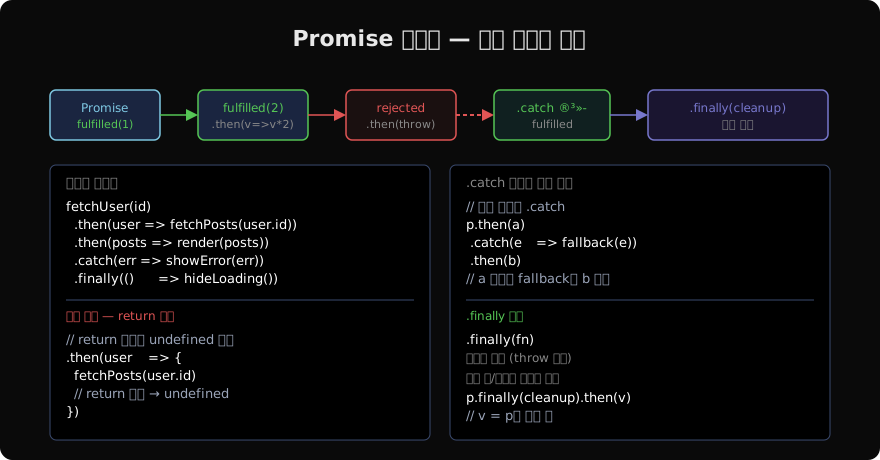
return을 빠뜨리면 생기는 문제
체이닝에서 가장 흔한 실수는 .then 콜백에서 Promise를 반환하지 않는 것입니다.
// 잘못된 패턴
fetchUser(id)
  .then(user => {
    fetchPosts(user.id); // return 없음!
    // fetchPosts가 실패해도 바깥에서 catch 불가
  })
  .then(posts => render(posts)); // posts === undefined

// 올바른 패턴
fetchUser(id)
  .then(user => fetchPosts(user.id)) // return (화살표 함수 암묵 return)
  .then(posts => render(posts));
반환된 Promise가 settled 되면 그 값/에러가 다음 .then/.catch로 전달됩니다. 반환하지 않으면 다음 단계는 undefined를 받습니다.
.catch — 에러 포착과 복구
.catch(fn)은 .then(undefined, fn)의 축약입니다. 체인 어느 위치에서든 발생한 rejected 상태를 잡습니다.
fetchUser(id)
  .then(user => fetchPosts(user.id))
  .then(posts => render(posts))
  .catch(err => {
    // fetchUser, fetchPosts, render 어느 단계의 에러도 여기서 처리
    showErrorMessage(err.message);
  });
.catch 콜백이 값을 반환하면 체인이 fulfilled 상태로 복구됩니다.
fetchData()
  .catch(err => {
    console.warn('Fallback 사용:', err.message);
    return defaultData; // 복구 — 이후 .then은 정상 실행
  })
  .then(data => render(data)); // defaultData 또는 정상 data
.catch 콜백에서 다시 throw하거나 rejected Promise를 반환하면 에러가 계속 전파됩니다.
.finally — 정리 작업
.finally(fn)은 성공/실패에 무관하게 실행되며, 이전 Promise의 값이나 에러를 그대로 통과시킵니다.
showLoading();

fetchData()
  .then(render)
  .catch(showError)
.finally(hideLoading); // 항상 호출됨, 반환값 무시.finally에서 예외가 발생하거나 rejected Promise를 반환하면 그 에러가 체인에 주입됩니다. 정리 함수에서의 예외가 본래 에러를 덮을 수 있으므로 .finally 내부는 항상 안전하게 작성해야 합니다.
중첩 패턴 vs 평탄 체이닝
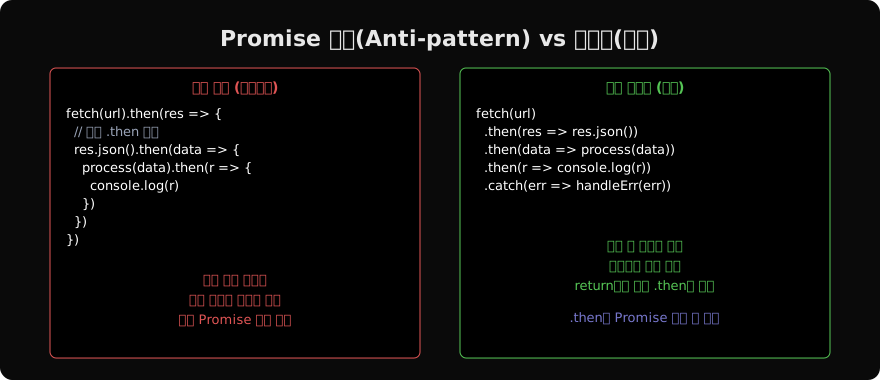
// 피해야 할 중첩 패턴
fetch(url).then(res => {
  res.json().then(data => {      // return 없는 중첩
    process(data).then(show);
  });
});

// 권장: 평탄 체이닝
fetch(url)
  .then(res => res.json())
  .then(data => process(data))
  .then(show)
  .catch(handleError);
중첩 패턴은 내부 Promise의 에러가 외부 .catch에 전달되지 않고, 코드 가독성도 나빠집니다.
.then의 두 번째 인자 vs .catch
.then(onFulfilled, onRejected)의 onRejected는 이전 단계의 에러만 잡고, 같은 .then의 onFulfilled에서 발생한 에러는 잡지 못합니다.
p.then(
  val => { throw new Error('here'); },
  err => { /* 'here' 에러를 잡지 못함 */ }
);

// .catch를 분리하면 onFulfilled 에러도 잡힘
p.then(val => { throw new Error('here'); })
 .catch(err => console.error(err.message)); // 'here'
일반적으로 .then 두 번째 인자보다 .catch를 분리하는 것이 더 안전하고 의도가 명확합니다.
에러 식별
에러 처리 시 어떤 단계에서 실패했는지 구분이 필요하면 커스텀 에러 클래스나 cause 필드를 활용합니다.
class NetworkError extends Error {
  constructor(msg, { cause } = {}) {
    super(msg);
    this.name = 'NetworkError';
    this.cause = cause;
  }
}

fetchUser(id)
  .catch(err => {
    throw new NetworkError('사용자 로드 실패', { cause: err });
  })
  .catch(err => {
    if (err instanceof NetworkError) {
      // 특정 에러 처리
    }
  });
지난 글: Promise 상태 — pending·fulfilled·rejected의 전이
다음 글: Promise 조합 — all·allSettled·race·any
읽어주셔서 감사합니다. 😊
PALDYN / ARTICLE AI
글의 개념, 수식, 코드에 대해 물어보세요.
질문과 관련된 문단을 골라 답변의 문맥으로 사용합니다.생각 중 · 0초