

어댑터·퍼사드·프록시 패턴 — 구조 패턴의 세 가지 얼굴
인터페이스를 변환하는 어댑터, 복잡한 서브시스템을 단일 진입점으로 감싸는 퍼사드, 동일 인터페이스를 유지하며 접근을 제어하는 프록시 패턴을 JavaScript 예제와 함께 설명합니다.
지난 글에서 전략·데코레이터 패턴으로 행위를 교체하고 확장하는 방법을 살펴봤습니다. 이번에는 구조 패턴(Structural Pattern) 세 가지—어댑터(Adapter), 퍼사드(Facade), 프록시(Proxy)—를 JavaScript 코드와 함께 정리합니다. 세 패턴 모두 “래퍼(wrapper)“를 두는 방식이지만, 해결하는 문제가 다릅니다.
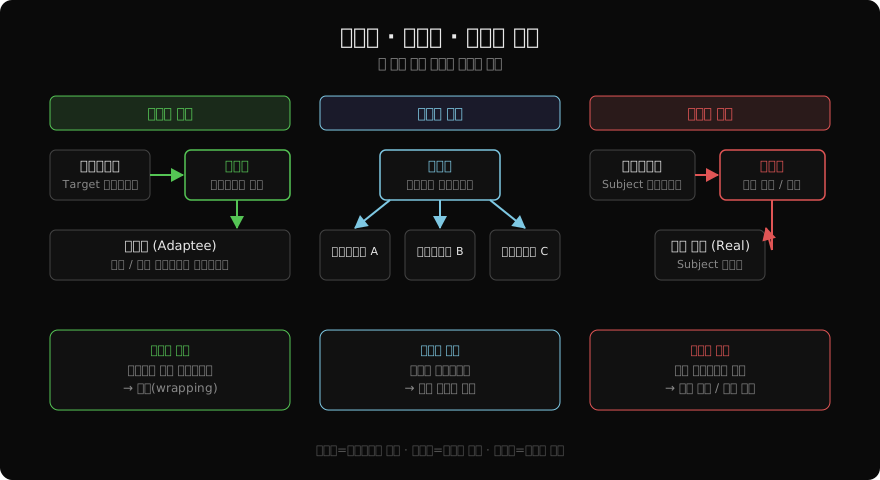
어댑터 패턴 — 인터페이스 변환
어댑터는 호환되지 않는 두 인터페이스를 연결합니다. 기존 코드를 수정하지 않고, 중간에 변환 레이어를 끼워 맞춥니다.
어디서 필요한가
- 외부 라이브러리를 팀 내부 규격으로 감쌀 때
- 레거시 API를 새 인터페이스로 마이그레이션할 때 (점진적 교체)
- 테스트에서 실제 서비스를 페이크(fake)로 대체할 때
함수형 어댑터
클래스 없이 함수로 구현하면 가볍습니다.
// Adaptee: XML 반환 구형 API
function fetchLegacyData(id) {
  return `<data><id>${id}</id><value>42</value></data>`;
}

// Adapter: XML → JSON 변환
function legacyToJsonAdapter(id) {
  const xml = fetchLegacyData(id);
  const idMatch   = xml.match(/<id>(\d+)<\/id>/);
  const valMatch  = xml.match(/<value>(\d+)<\/value>/);
  return { id: Number(idMatch[1]), value: Number(valMatch[1]) };
}

// Target 인터페이스: JSON을 기대하는 클라이언트 코드
async function renderWidget(fetchJson) {
  const data = await fetchJson(1);
  console.log(data.value); // 42
}

renderWidget(legacyToJsonAdapter);
클래스 어댑터 — 외부 HTTP 클라이언트 통일
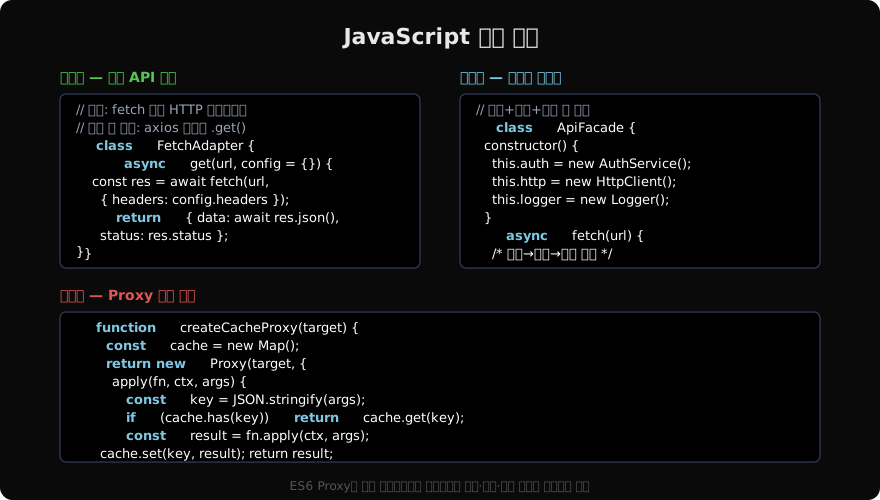
팀에서 axios 스타일({data, status} 응답)을 표준으로 정했지만, 일부 코드가 fetch를 사용한다면 어댑터로 감쌉니다.
class FetchAdapter {
  async get(url, config = {}) {
    const res = await fetch(url, {
      headers: config.headers ?? {},
    });
    if (!res.ok) throw Object.assign(new Error(res.statusText), { status: res.status });
    return { data: await res.json(), status: res.status };
  }

  async post(url, body, config = {}) {
    const res = await fetch(url, {
      method: 'POST',
      headers: { 'Content-Type': 'application/json', ...config.headers },
      body: JSON.stringify(body),
    });
    return { data: await res.json(), status: res.status };
  }
}

// 팀 전체가 axios 스타일로 통일
const http = new FetchAdapter();
const { data } = await http.get('/api/users');
퍼사드 패턴 — 복잡성 은닉
퍼사드는 복잡한 서브시스템에 단순한 단일 진입점을 제공합니다. 서브시스템 자체를 변경하거나 숨기는 것이 아니라, 자주 사용되는 흐름을 하나의 메서드로 조합해 줍니다.
퍼사드가 필요한 순간
- 인증, HTTP 요청, 캐시, 로깅이 각각 별도 클래스로 분리되어 있을 때
- SDK를 초기화하는 순서가 복잡할 때
- 여러 서비스를 조합해야 하는 유스케이스가 반복될 때
// 서브시스템들
class AuthService {
  async getToken() { return localStorage.getItem('token'); }
}

class HttpClient {
  async get(url, headers) {
    const res = await fetch(url, { headers });
    return res.json();
  }
}

class ResponseCache {
  #store = new Map();
  get(key)           { return this.#store.get(key); }
  set(key, val, ttl) {
    this.#store.set(key, val);
    setTimeout(() => this.#store.delete(key), ttl);
  }
}

// 퍼사드 — 세 서브시스템을 조율
class ApiFacade {
  #auth   = new AuthService();
  #http   = new HttpClient();
  #cache  = new ResponseCache();

  async get(url, cacheTtl = 30_000) {
    const cached = this.#cache.get(url);
    if (cached) return cached;

    const token = await this.#auth.getToken();
    const data  = await this.#http.get(url, {
      Authorization: `Bearer ${token}`,
    });

    this.#cache.set(url, data, cacheTtl);
    return data;
  }
}

// 클라이언트는 단 한 줄
const api  = new ApiFacade();
const user = await api.get('/api/me');
인증 흐름이 바뀌어도, 캐시 전략이 바뀌어도 클라이언트 코드를 건드리지 않아도 됩니다.
프록시 패턴 — 투명한 접근 제어
프록시는 실제 대상과 동일한 인터페이스를 가지면서, 그 앞에서 접근을 가로채 캐시·지연 로딩·접근 권한 검사 등을 삽입합니다.
ES6 Proxy를 활용한 메모이제이션 프록시
function memoProxy(fn) {
  const cache = new Map();
  return new Proxy(fn, {
    apply(target, thisArg, args) {
      const key = JSON.stringify(args);
      if (cache.has(key)) return cache.get(key);
      const result = Reflect.apply(target, thisArg, args);
      cache.set(key, result);
      return result;
    },
  });
}

function expensiveCalc(n) {
  console.log('계산 중...');
  return n * n;
}

const cachedCalc = memoProxy(expensiveCalc);
cachedCalc(10); // "계산 중..." 출력 후 100
cachedCalc(10); // 캐시 히트, 출력 없이 100
가상 프록시 — 지연 로딩
무거운 객체를 실제로 필요한 순간까지 생성을 미룹니다.
function lazyProxy(factory) {
  let instance = null;
  return new Proxy({}, {
    get(_, prop) {
      instance ??= factory();
      return instance[prop];
    },
  });
}

const heavyService = lazyProxy(() => {
  console.log('서비스 초기화');
  return { process: (x) => x * 2 };
});

// 이 시점까지 초기화 안 됨
heavyService.process(5); // "서비스 초기화" 출력 후 10
heavyService.process(5); // 초기화 없이 10
보호 프록시 — 접근 권한 검사
function protectedProxy(target, role) {
  const ADMIN_ONLY = new Set(['delete', 'reset']);
  return new Proxy(target, {
    get(obj, prop) {
      if (ADMIN_ONLY.has(prop) && role !== 'admin') {
        throw new Error(`'${prop}'은 관리자 전용입니다.`);
      }
      return Reflect.get(obj, prop);
    },
  });
}
세 패턴 한눈에 비교
| 구분 | 어댑터 | 퍼사드 | 프록시 |
|---|---|---|---|
| 목적 | 인터페이스 변환 | 복잡성 단순화 | 접근 제어 |
| 인터페이스 | Target 인터페이스 제공 | 새 인터페이스 정의 | 동일 인터페이스 유지 |
| 서브시스템 변경 | 어댑티 코드 불변 | 서브시스템 불변 | 실제 대상 불변 |
| JS 특기 | 함수형 래퍼 | 클래스 조합 | Proxy / Reflect |
세 패턴의 공통점은 래핑이지만, 해결하는 문제가 다릅니다. 어댑터는 “이미 있는 두 인터페이스를 연결”하고, 퍼사드는 “복잡한 내부를 단순한 API 뒤에 숨기고”, 프록시는 “원본과 같은 인터페이스로 행동을 가로채거나 제어”합니다.
지난 글: 전략·데코레이터 패턴 — 행위의 교체와 확장
다음 글: 모듈 패턴 — 캡슐화와 네임스페이스
읽어주셔서 감사합니다. 😊
PALDYN / ARTICLE AI
글의 개념, 수식, 코드에 대해 물어보세요.
질문과 관련된 문단을 골라 답변의 문맥으로 사용합니다.생각 중 · 0초