

미디에이터·믹스인 패턴 — 협력과 조합
컴포넌트 간 직접 참조를 제거하고 이벤트 버스로 조율하는 미디에이터 패턴과, 단일 상속의 한계를 넘어 기능을 합성하는 믹스인 패턴을 JavaScript 실용 예제와 함께 설명합니다.
지난 글에서 모듈 패턴으로 캡슐화와 네임스페이스를 관리하는 방법을 살펴봤습니다. 이번에는 JavaScript 패턴 가운데 미디에이터(Mediator)와 믹스인(Mixin) 두 가지를 정리합니다. 미디에이터는 컴포넌트 간 결합도를 낮추고, 믹스인은 단일 상속의 한계를 넘어 기능을 재사용합니다.
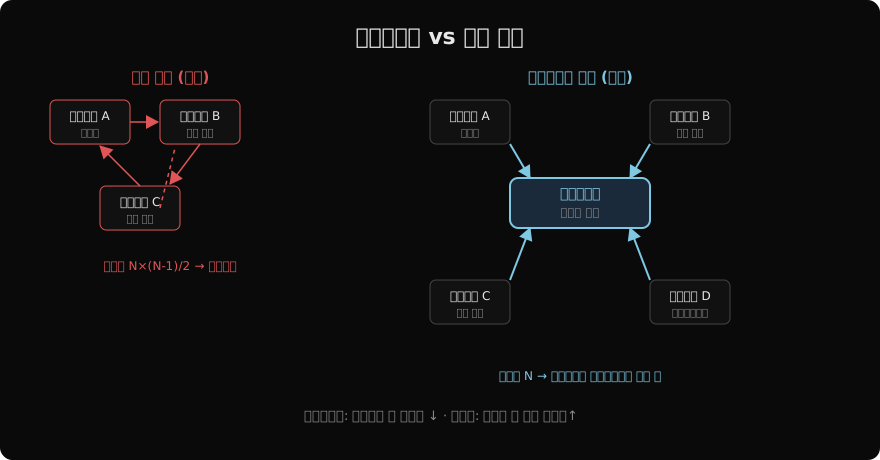
미디에이터 패턴 — 통신의 중재자
N개의 컴포넌트가 서로 직접 통신하면 결합도가 N×(N-1)/2로 폭발적으로 증가합니다. 미디에이터는 이 통신을 한 곳으로 집중해 각 컴포넌트가 미디에이터만 알면 되도록 만듭니다.
이벤트 버스 미디에이터
가장 범용적인 구현은 이벤트 버스입니다.
class EventBus {
  #handlers = new Map();

  on(event, fn) {
    if (!this.#handlers.has(event)) this.#handlers.set(event, []);
    this.#handlers.get(event).push(fn);
    return () => this.off(event, fn); // unsubscribe 반환
  }

  off(event, fn) {
    const list = this.#handlers.get(event) ?? [];
    this.#handlers.set(event, list.filter(h => h !== fn));
  }

  emit(event, payload) {
    (this.#handlers.get(event) ?? []).forEach(fn => fn(payload));
  }
}

const bus = new EventBus();

// 검색창 컴포넌트
bus.on('search:query', ({ term }) => {
  console.log('결과 목록 업데이트:', term);
});

bus.on('search:query', ({ term }) => {
  console.log('검색 히스토리 저장:', term);
});

// 사용자가 검색할 때
bus.emit('search:query', { term: 'JavaScript' });bus를 제외하면 컴포넌트끼리 서로를 참조하지 않습니다.
구조화된 미디에이터 — 타입 안전 이벤트
TypeScript 환경에서는 이벤트 맵으로 타입을 보장하지만, 순수 JS에서도 객체 맵으로 구조화할 수 있습니다.
class AppMediator {
  #bus = new EventBus();

  // 검색 관련 이벤트 API
  onSearch(fn) { return this.#bus.on('search', fn); }
  search(term) { this.#bus.emit('search', { term, timestamp: Date.now() }); }

  // 필터 관련 이벤트 API
  onFilter(fn) { return this.#bus.on('filter', fn); }
  applyFilter(filters) { this.#bus.emit('filter', filters); }

  // 페이지 이동
  onPageChange(fn) { return this.#bus.on('page', fn); }
  goToPage(page)   { this.#bus.emit('page', { page }); }
}

const mediator = new AppMediator();

// 검색창은 검색 이벤트만 발행
function SearchBox({ mediator }) {
  const input = document.querySelector('#search');
  input.addEventListener('input', () => mediator.search(input.value));
}

// 결과 목록은 구독만
function ResultList({ mediator }) {
  mediator.onSearch(({ term }) => {
    console.log(`"${term}" 검색 결과를 가져오는 중...`);
  });
}
로직이 AppMediator 안에 집중되므로 컴포넌트 교체나 이벤트 흐름 변경이 쉽습니다.
Redux/Flux와 미디에이터
Redux의 store는 사실 미디에이터입니다. 컴포넌트는 dispatch로 액션을 발행하고, subscribe로 상태 변경을 구독합니다. 서로를 직접 참조하지 않습니다.
믹스인 패턴 — 기능의 조합
JavaScript는 단일 상속만 지원합니다. class Foo extends Bar는 하나의 클래스만 상속받을 수 있습니다. 믹스인은 여러 클래스의 기능을 하나의 클래스에 합성하는 방법입니다.
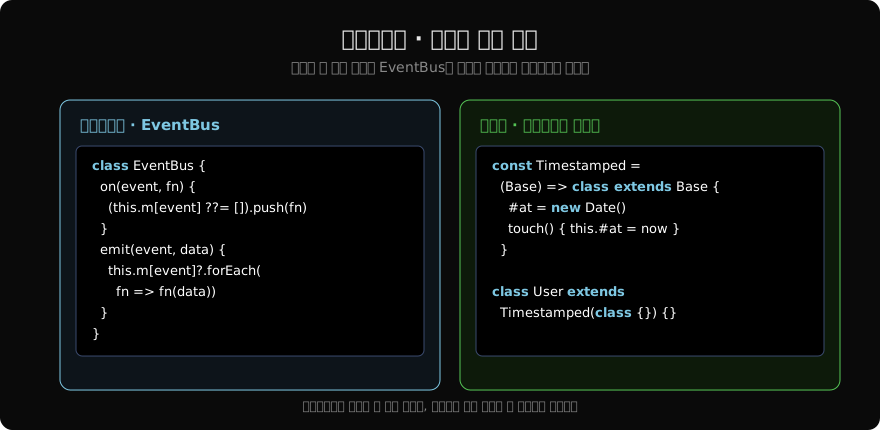
함수형 믹스인 — 팩토리 함수
가장 간단한 방법은 함수가 객체에 메서드를 추가하는 것입니다.
const Serializable = {
  toJSON() { return JSON.stringify(this); },
  fromJSON(json) { return Object.assign(this, JSON.parse(json)); },
};

const Validatable = {
  validate(schema) {
    return Object.entries(schema).every(([key, fn]) => fn(this[key]));
  },
};

class User {
  constructor(name, email) {
    this.name  = name;
    this.email = email;
  }
}

Object.assign(User.prototype, Serializable, Validatable);

const user = new User('김코딩', 'kim@example.com');
user.toJSON(); // '{"name":"김코딩","email":"kim@example.com"}'

const isValid = user.validate({
  email: v => v.includes('@'),
  name:  v => v.length > 0,
});
console.log(isValid); // true
서브클래스 팩토리 믹스인 — SuperClass 패턴
class extends Base 형태를 함수로 래핑하면 instanceof·super 호출이 정상 작동하는 진정한 믹스인이 됩니다.
const Timestamped = (Base) => class extends Base {
  #createdAt = new Date();
  #updatedAt = new Date();

  get createdAt() { return this.#createdAt; }
  get updatedAt() { return this.#updatedAt; }

  touch() { this.#updatedAt = new Date(); }
};

const Activatable = (Base) => class extends Base {
  #active = false;

  activate()   { this.#active = true; this.touch?.(); }
  deactivate() { this.#active = false; }
  get isActive() { return this.#active; }
};

// 조합: User에 Timestamped + Activatable 합성
class User extends Activatable(Timestamped(class {})) {
  constructor(name) {
    super();
    this.name = name;
  }
}

const user = new User('이자바');
user.activate();
console.log(user.isActive);  // true
console.log(user.updatedAt); // 현재 시각
믹스인 체인에서 가장 안쪽 class {}가 베이스 클래스 역할을 합니다. 실제 비즈니스 클래스(User)는 extends ClassName으로 보통 상속하는 것처럼 보입니다.
믹스인 vs 상속 vs 컴포지션
// 상속: "is-a" 관계만 표현
class Animal {}
class Dog extends Animal {} // Dog는 Animal이다

// 믹스인: "has-a" 기능 추가
const Swimmable = (Base) => class extends Base {
  swim() { console.log('수영!'); }
};
const Flyable = (Base) => class extends Base {
  fly() { console.log('비행!'); }
};

class Duck extends Swimmable(Flyable(Animal)) {}
// Duck은 Animal이면서, 수영·비행 기능을 가짐

// 컴포지션: 객체에 기능을 위임
class Duck2 extends Animal {
  #swimmer = { swim: () => console.log('수영!') };
  #flyer   = { fly:  () => console.log('비행!') };
  swim() { this.#swimmer.swim(); }
  fly()  { this.#flyer.fly(); }
}
믹스인은 프로토타입 체인을 활용해 instanceof와 super를 자연스럽게 지원합니다. 컴포지션은 더 유연하지만 보일러플레이트가 많습니다.
미디에이터 vs 옵저버 vs 믹스인 정리
| 구분 | 미디에이터 | 옵저버 | 믹스인 |
|---|---|---|---|
| 목적 | 컴포넌트 간 통신 중재 | 상태 변경 알림 | 기능 재사용·합성 |
| 결합도 | 미디에이터에 집중 | Subject-Observer 직접 | 없음 |
| 사용 시점 | 채팅룸·폼 조율·라우터 | 이벤트 구독·반응형 상태 | 다중 역할 클래스 |
| JS 구현 | 클래스 + EventBus | EventEmitter / 구독 | 팩토리 함수 + extends |
지난 글: 모듈 패턴 — 캡슐화와 네임스페이스
다음 글: 환경 변수 실전 — Node.js와 브라우저에서 설정 관리하기
읽어주셔서 감사합니다. 😊
PALDYN / ARTICLE AI
글의 개념, 수식, 코드에 대해 물어보세요.
질문과 관련된 문단을 골라 답변의 문맥으로 사용합니다.생각 중 · 0초