

클래스로 만드는 데코레이터
__call__을 구현한 callable 클래스로 데코레이터를 만드는 패턴, 클래스에 데코레이터를 적용하는 패턴, 함수 데코레이터와의 차이를 설명합니다.
지난 글에서 인자를 받는 3겹 데코레이터 패턴을 살펴봤다. 이번 글에서는 데코레이터를 함수가 아닌 클래스로 구현하는 방법과 클래스 자체에 데코레이터를 적용하는 방법을 다룬다. 클래스 기반 데코레이터는 상태를 명확하게 관리하고, 메서드를 추가해 인터페이스를 풍부하게 만들 때 함수 클로저보다 더 적합하다.
callable 클래스로 함수 데코레이터 구현
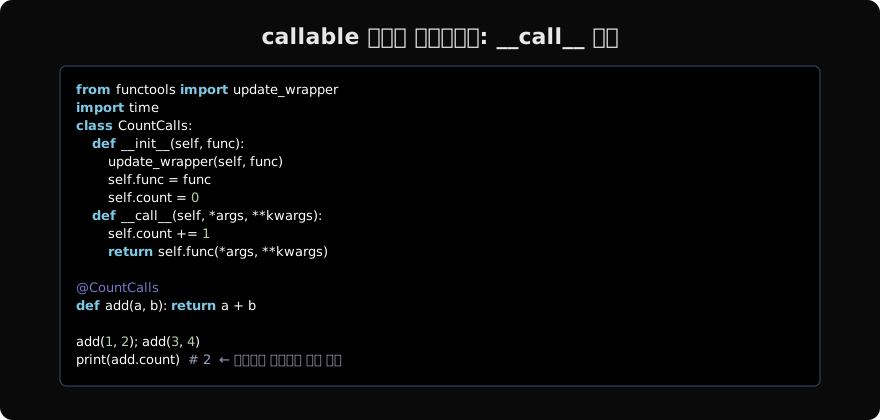
__call__ 메서드를 구현한 클래스의 인스턴스는 함수처럼 호출할 수 있다. 이를 이용해 데코레이터를 클래스로 표현한다.
from functools import update_wrapper

class CountCalls:
    def __init__(self, func):
        update_wrapper(self, func)
        self.func = func
        self.count = 0

    def __call__(self, *args, **kwargs):
        self.count += 1
        return self.func(*args, **kwargs)

@CountCalls
def add(a, b):
    return a + b

add(1, 2); add(3, 4)
print(add.count) # 2@CountCalls가 적용되면 add = CountCalls(add)가 실행된다. add는 이제 CountCalls 인스턴스다. add(1, 2)를 호출하면 CountCalls.__call__(1, 2)가 실행된다.
update_wrapper(self, func)를 __init__에서 호출해 메타데이터를 보존한다. @wraps(func)는 함수에만 쓸 수 있으므로 클래스에서는 update_wrapper를 직접 사용한다.
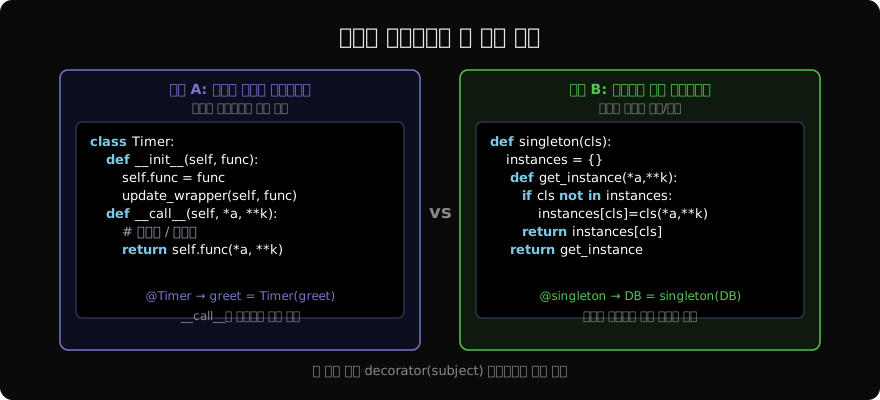
함수 데코레이터 vs 클래스 데코레이터
클래스 데코레이터가 유리한 경우는 상태 관리가 명시적이어야 할 때다.
# 함수 클로저로 상태 관리 (비교용)
def count_calls(func):
    from functools import wraps
    count_calls.count = 0   # 함수 속성으로 상태 (어색함)
    @wraps(func)
    def wrapper(*args, **kwargs):
        wrapper.count += 1
        return func(*args, **kwargs)
    wrapper.count = 0
    return wrapper

# 클래스로 상태 관리 (명시적)
class CountCalls:
    def __init__(self, func):
        update_wrapper(self, func)
        self.func = func
        self.count = 0          # 인스턴스 속성, 명확함

    def reset(self):            # 메서드 추가 가능
        self.count = 0

    def __call__(self, *args, **kwargs):
        self.count += 1
        return self.func(*args, **kwargs)
클래스는 reset() 같은 메서드를 자연스럽게 추가할 수 있다. 상태가 복잡하거나 인터페이스가 필요하면 클래스 데코레이터가 더 적합하다.
클래스 자체에 데코레이터 적용
데코레이터는 함수뿐 아니라 클래스에도 적용할 수 있다. 가장 유명한 예는 싱글턴 패턴이다.
def singleton(cls):
    instances = {}
    def get_instance(*args, **kwargs):
        if cls not in instances:
            instances[cls] = cls(*args, **kwargs)
        return instances[cls]
    return get_instance

@singleton
class Database:
    def __init__(self, url):
        self.url = url
        print(f"DB 연결: {url}")

db1 = Database("postgresql://localhost/mydb")
db2 = Database("postgresql://localhost/mydb")
print(db1 is db2) # True — 같은 인스턴스@singleton이 적용되면 Database = singleton(Database)가 실행된다. 이후 Database(...)는 실제 클래스 생성자가 아니라 get_instance를 호출한다.
클래스 속성 수정 데코레이터
클래스 데코레이터로 클래스에 메서드나 속성을 동적으로 추가할 수 있다.
def add_repr(cls):
    """클래스에 자동 __repr__ 추가"""
    def __repr__(self):
        attrs = {k: v for k, v in self.__dict__.items()
                 if not k.startswith('_')}
        return f"{cls.__name__}({attrs})"
    cls.__repr__ = __repr__
    return cls   # 같은 cls 반환

@add_repr
class Point:
    def __init__(self, x, y):
        self.x = x
        self.y = y

p = Point(1, 2)
print(p)   # Point({'x': 1, 'y': 2})
여기서는 cls를 수정한 뒤 그대로 반환한다. 새 객체를 만드는 게 아니라 기존 클래스에 속성을 추가하는 방식이다.
메서드에 데코레이터 적용 주의점
클래스 내부 메서드에 클래스 기반 데코레이터를 적용하면 self 바인딩 문제가 생길 수 있다.
class CountCalls:
    def __init__(self, func):
        update_wrapper(self, func)
        self.func = func
        self.count = 0

    def __call__(self, *args, **kwargs):
        self.count += 1
        return self.func(*args, **kwargs)

    def __get__(self, obj, objtype=None):
        # 메서드로 쓸 때 self 바인딩
        from functools import partial
        if obj is None:
            return self
        return partial(self, obj)

class MyClass:
    @CountCalls
    def method(self):
print("method called")__get__을 구현해야 디스크립터 프로토콜을 따르므로 메서드로 정상 동작한다. 일반 함수 데코레이터에는 이 문제가 없지만, 클래스 기반 데코레이터를 메서드에 쓸 때는 __get__을 추가해야 한다.
지난 글: 인자를 받는 데코레이터 만들기
다음 글: 중첩 데코레이터와 적용 순서
읽어주셔서 감사합니다. 😊
PALDYN / ARTICLE AI
글의 개념, 수식, 코드에 대해 물어보세요.
질문과 관련된 문단을 골라 답변의 문맥으로 사용합니다.생각 중 · 0초