

함수형 데이터 파이프라인: 실전 설계 패턴
순수 함수 조합으로 데이터 파이프라인을 구축하는 방법, 불순 코드를 경계로 격리하는 설계, pandas 파이프라인, 제너레이터 파이프라인, 병렬 처리 통합을 설명합니다.
지난 글에서 메모이제이션으로 계산을 최적화하는 방법을 살펴봤다. 이번 글에서는 지금까지 배운 함수형 도구들(순수 함수, 불변성, pipe, compose, partial, memoize)을 조합해 실전 데이터 파이프라인을 설계하는 방법을 다룬다.
함수형 파이프라인의 핵심 원칙
함수형 파이프라인은 두 가지 원칙에 기반한다.
원칙 1: 각 단계는 순수 함수다. 데이터를 받아 새 데이터를 반환한다. 외부 상태를 변경하지 않는다.
원칙 2: 불순한 코드(IO, DB, API)는 파이프라인의 경계에만 위치한다. 읽기는 시작, 쓰기는 끝에만.
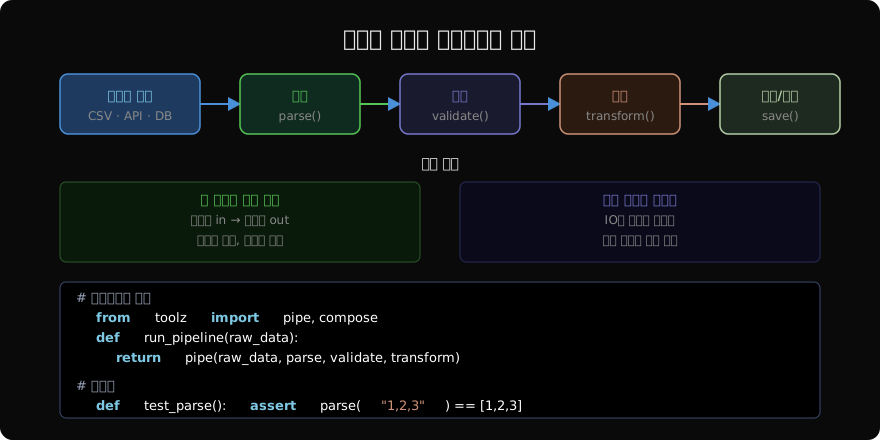
# 나쁜 패턴: 각 단계에 IO가 섞임
def process():
    data = read_from_db()          # IO
    data = validate(data)
    data = save_to_cache(data)     # IO in 중간!
    data = transform(data)
    write_to_file(data)            # IO

# 좋은 패턴: IO를 경계로
def process():
    raw = read_from_db()           # IO (경계)
    result = pipeline(raw)         # 순수 변환
    write_to_file(result)          # IO (경계)

def pipeline(data):
    return pipe(data, validate, transform)   # 순수
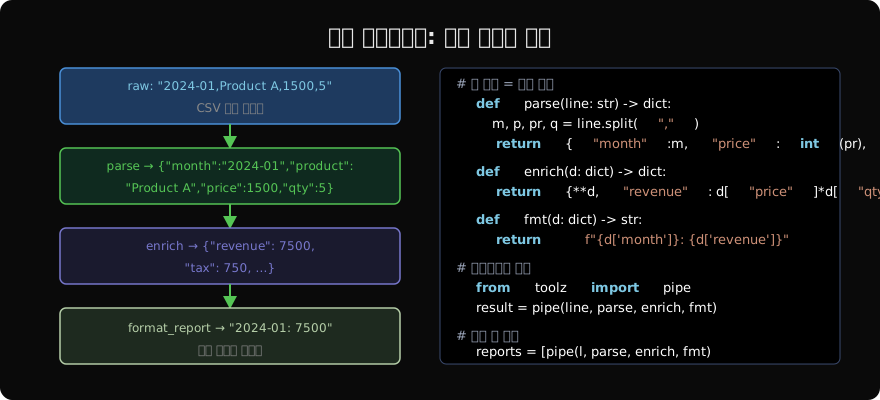
실전 예시: 판매 데이터 처리
from toolz import pipe
from typing import TypedDict

class SaleRecord(TypedDict):
    month: str
    product: str
    price: int
    qty: int

class EnrichedRecord(TypedDict):
    month: str
    product: str
    price: int
    qty: int
    revenue: int
    tax: int

# 순수 함수들
def parse_line(line: str) -> SaleRecord:
    month, product, price, qty = line.strip().split(",")
    return SaleRecord(
        month=month,
        product=product,
        price=int(price),
        qty=int(qty),
    )

def validate(record: SaleRecord) -> SaleRecord:
    if record["price"] <= 0:
        raise ValueError(f"Invalid price: {record['price']}")
    if record["qty"] <= 0:
        raise ValueError(f"Invalid qty: {record['qty']}")
    return record

def enrich(record: SaleRecord) -> EnrichedRecord:
    revenue = record["price"] * record["qty"]
    return {**record, "revenue": revenue, "tax": int(revenue * 0.1)}

def format_report(record: EnrichedRecord) -> str:
    return f"{record['month']} | {record['product']} | 매출: {record['revenue']:,}원"

# 파이프라인 조립
def process_line(line: str) -> str:
    return pipe(line, parse_line, validate, enrich, format_report)

# 실행
lines = [
    "2024-01,Product A,1500,5",
    "2024-01,Product B,3000,2",
]
reports = [process_line(line) for line in lines]
대용량 데이터: 제너레이터 파이프라인
데이터가 수백만 줄이라면 모든 데이터를 메모리에 올리지 않고 스트림으로 처리해야 한다.
from typing import Iterator

def stream_lines(filepath: str) -> Iterator[str]:
    with open(filepath) as f:
        yield from f

def parse_stream(lines: Iterator[str]) -> Iterator[SaleRecord]:
    return (parse_line(line) for line in lines if line.strip())

def validate_stream(records: Iterator[SaleRecord]) -> Iterator[SaleRecord]:
    for record in records:
        try:
            yield validate(record)
        except ValueError as e:
            print(f"[SKIP] {e}")

def enrich_stream(records: Iterator[SaleRecord]) -> Iterator[EnrichedRecord]:
    return (enrich(r) for r in records)

# 메모리 효율적인 파이프라인
def run_pipeline(filepath: str) -> None:
    pipeline = enrich_stream(
        validate_stream(
            parse_stream(
                stream_lines(filepath)
            )
        )
    )
    for record in pipeline:
        save_to_db(record)   # 경계에서 IO
각 단계가 제너레이터이므로 yield로 데이터를 지연 처리한다. 100GB 파일도 상수 메모리로 처리할 수 있다.
pandas 파이프라인
pandas DataFrame에는 .pipe() 메서드가 있어 함수형 파이프라인 패턴을 그대로 적용할 수 있다.
import pandas as pd
from functools import partial

def remove_duplicates(df: pd.DataFrame) -> pd.DataFrame:
    return df.drop_duplicates()

def fill_missing(df: pd.DataFrame, strategy: str = "mean") -> pd.DataFrame:
    if strategy == "mean":
        return df.fillna(df.mean(numeric_only=True))
    return df.dropna()

def normalize_prices(df: pd.DataFrame) -> pd.DataFrame:
    df = df.copy()
    df["price"] = (df["price"] - df["price"].min()) / (df["price"].max() - df["price"].min())
    return df

# 파이프라인
result = (
    raw_df
    .pipe(remove_duplicates)
    .pipe(fill_missing, strategy="mean")
    .pipe(normalize_prices)
)
병렬 처리 통합
순수 함수 파이프라인은 병렬 처리와 자연스럽게 결합된다. 각 레코드 처리가 독립적이므로 multiprocessing.Pool.map을 바로 쓸 수 있다.
from multiprocessing import Pool

def process_record(line: str) -> EnrichedRecord:
    return pipe(line, parse_line, validate, enrich)   # 순수 함수만

with Pool() as pool:
    records = pool.map(process_record, lines)   # 병렬 처리
함수형 파이프라인의 진가는 이처럼 스케일 업이 쉽다는 점이다. 순수 함수를 쓰기 때문에 멀티프로세싱, 비동기, 배치 처리로 전환할 때 비즈니스 로직을 거의 변경하지 않아도 된다. 다음 글에서는 함수형 설계의 마지막 주제인 부작용 격리 패턴을 정리한다.
지난 글: 메모이제이션 패턴: 계산 결과 캐싱 전략
다음 글: 부작용 격리 패턴: 순수와 불순을 분리하는 설계
읽어주셔서 감사합니다. 😊
PALDYN / ARTICLE AI
글의 개념, 수식, 코드에 대해 물어보세요.
질문과 관련된 문단을 골라 답변의 문맥으로 사용합니다.생각 중 · 0초