

지식
Python
타입 변환: int, str, float, list 상호 변환
Python의 명시적 타입 변환(int, float, str, list, set, dict, bool)과 암묵적 변환을 이해하고, ValueError/TypeError를 안전하게 처리하는 패턴을 정리합니다.
지난 글에서 집합 자료구조를 살펴봤다. 이번에는 Python의 타입 변환(type conversion)을 체계적으로 정리한다. Python은 동적 타입 언어이지만 암묵적 변환은 거의 허용하지 않는다. 대부분 명시적으로 변환 함수를 호출해야 한다.
숫자 타입 변환
# str → int
int("42")          # 42
int("0b1010", 2)   # 10 (2진수)
int("0o17", 8)     # 15 (8진수)
int("0xff", 16)    # 255 (16진수)
int("ff", 16)      # 255

# float → int (소수점 아래 버림, 반올림 아님)
int(3.9)           # 3
int(-3.9)          # -3

# int → float
float(42)          # 42.0
float("3.14")      # 3.14
float("inf")       # inf
float("nan")       # nan

# str ↔ int
str(42)            # "42"
str(3.14)          # "3.14"
str(True)          # "True"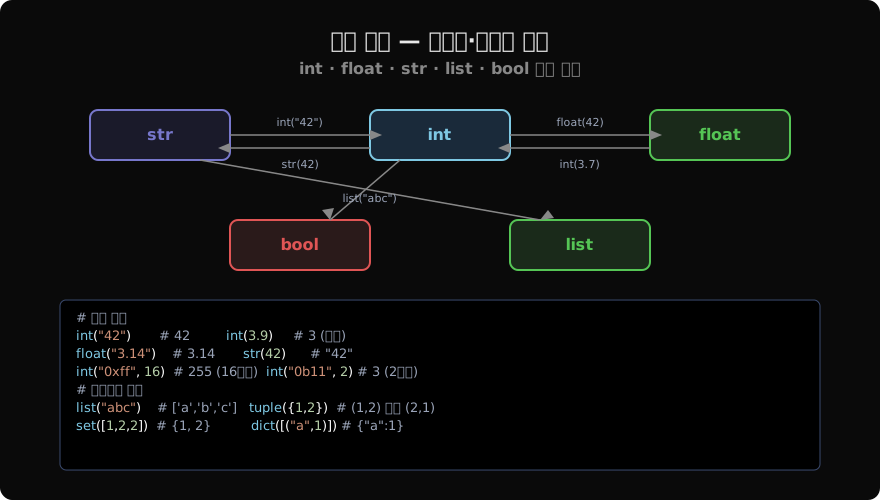
bool 변환
bool(0)        # False
bool(1)        # True
bool(-1)       # True (0 이외 정수는 모두 True)
bool("")       # False
bool("hello")  # True
bool([])       # False
bool([0])      # True (원소가 있으면 True)
bool(None) # Falsebool(x)는 x.__bool__() 또는 x.__len__()을 호출한다.
컨테이너 타입 변환
# str → list (문자 단위 분리)
list("abc")          # ['a', 'b', 'c']

# 이터러블 → list/tuple/set
list(range(5))       # [0, 1, 2, 3, 4]
tuple({1, 2, 3})     # (1, 2, 3) — 순서 비보장
set([1, 2, 2, 3])   # {1, 2, 3}

# (key, value) 쌍 → dict
dict([("a", 1), ("b", 2)])  # {"a": 1, "b": 2}
dict(zip("abc", [1, 2, 3])) # {"a": 1, "b": 2, "c": 3}

# list → str (join으로)
"".join(["a", "b", "c"])    # "abc"
", ".join(["x", "y"])       # "x, y"
암묵적 변환
Python은 대부분 암묵적 변환을 하지 않는다.
"age: " + 30       # TypeError! str + int 불가
"age: " + str(30)  # "age: 30" — 명시적 변환 필요

# 예외: bool은 int의 서브클래스
True + 1     # 2 (True=1)
False + 5    # 5 (False=0)
변환 오류와 안전한 처리
int("3.14")    # ValueError: invalid literal for int()
int("hello")   # ValueError
int([1, 2])    # TypeError

# 안전한 패턴
def safe_int(s, default=None):
    try:
        return int(s)
    except (ValueError, TypeError):
        return default

safe_int("42")       # 42
safe_int("3.14")     # None
safe_int("hi", 0)    # 0
진수 변환
# 정수 → 진수 문자열
bin(10)    # '0b1010'
oct(255)   # '0o377'
hex(255)   # '0xff'

# 0b/0o/0x 접두사 없애기
format(255, 'b')   # '11111111'
format(255, 'x')   # 'ff'
format(255, 'X')   # 'FF'
f"{255:08b}"       # '11111111' (8자리 0 패딩)
chr, ord — 문자 ↔ 코드포인트
ord('A')       # 65
ord('가')      # 44032
chr(65)        # 'A'
chr(44032)     # '가'
지난 글: 집합과 frozenset: 중복 없는 컬렉션
다음 글: 참·거짓값(Truthy/Falsy): Python 조건식 완전 이해
읽어주셔서 감사합니다. 😊
PALDYN / ARTICLE AI
글의 개념, 수식, 코드에 대해 물어보세요.
질문과 관련된 문단을 골라 답변의 문맥으로 사용합니다.생각 중 · 0초