

Spring Bean 생명주기: 초기화부터 소멸까지 완전 분석
Spring 빈이 인스턴스화되고 의존성이 주입되며 초기화·사용·소멸 단계를 거치는 전체 흐름을 분석합니다. @PostConstruct·InitializingBean·@Bean(initMethod) 세 가지 콜백의 차이와 실전 활용법을 상세히 다룹니다.
지난 글에서는 빈이 몇 개나 만들어지는지 결정하는 스코프를 살펴봤습니다. 이번에는 하나의 빈이 태어나고 살아가다 사라지는 전체 과정, 즉 생명주기(Lifecycle)를 추적합니다. 생명주기를 이해하면 DB 커넥션 풀 초기화, 캐시 워밍, 리소스 해제 같은 작업을 올바른 시점에 수행할 수 있습니다.
빈 생명주기 7단계
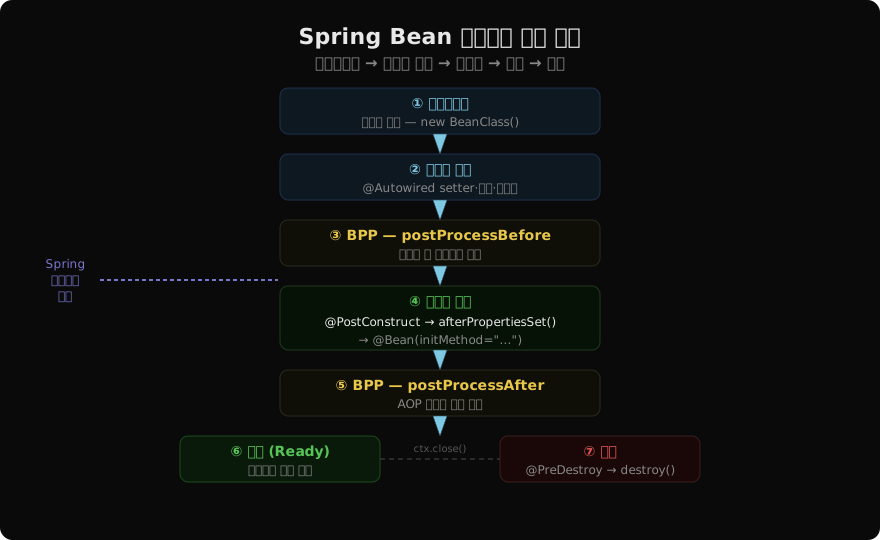
Spring 빈은 다음 순서로 생성되고 소멸합니다.
- 인스턴스화 — 생성자 호출로 객체 생성
- 의존성 주입 —
@Autowired필드·세터·생성자 처리 - BeanPostProcessor — Before —
postProcessBeforeInitialization()호출 - 초기화 콜백 —
@PostConstruct→afterPropertiesSet()→initMethod - BeanPostProcessor — After —
postProcessAfterInitialization()호출 (AOP 프록시 적용) - 사용 단계 — 실제 비즈니스 로직 수행
- 소멸 —
@PreDestroy→destroy()→destroyMethod
이 순서는 Spring Framework 공식 문서에서 정의한 것으로, 어떤 방식으로 콜백을 등록하든 일관되게 지켜집니다.
@PostConstruct / @PreDestroy — 가장 권장되는 방식
@PostConstruct는 의존성 주입이 완료된 직후, @PreDestroy는 컨테이너가 빈을 소멸시키기 직전에 호출됩니다.
@Component
public class CacheLoader {

    private final ItemRepository itemRepository;
    private Map<Long, Item> cache;

    public CacheLoader(ItemRepository itemRepository) {
        this.itemRepository = itemRepository;
    }

    @PostConstruct
    void init() {
        // 의존성 주입 완료 후 호출 — itemRepository 사용 가능
        cache = itemRepository.findAll()
                .stream()
                .collect(Collectors.toMap(Item::getId, i -> i));
        System.out.println("캐시 로드 완료: " + cache.size() + "건");
    }

    @PreDestroy
    void teardown() {
        cache.clear();
        System.out.println("캐시 정리 완료");
    }
}
@PostConstruct 메서드는 void 반환, 파라미터 없음, 예외 가능(checked 제외 시 런타임 예외 OK)이어야 합니다. 이 어노테이션은 Jakarta EE(구 Java EE)의 JSR-250 표준이기 때문에 Spring에 종속되지 않습니다.
생성자에서 의존 빈을 사용하지 못하는 경우는 없지만, 생성자 내 복잡한 초기화 로직은 테스트를 어렵게 합니다. @PostConstruct 메서드를 분리하면 단위 테스트에서 메서드를 직접 호출해 초기화 동작을 검증할 수 있습니다.
InitializingBean / DisposableBean — Spring 인터페이스 방식
@Component
public class ConnectionPool implements InitializingBean, DisposableBean {

    private HikariDataSource dataSource;

    @Override
    public void afterPropertiesSet() throws Exception {
        // @PostConstruct와 동일한 시점이지만 Spring에 종속
        HikariConfig config = new HikariConfig();
        config.setJdbcUrl("jdbc:h2:mem:testdb");
        dataSource = new HikariDataSource(config);
    }

    @Override
    public void destroy() throws Exception {
        if (dataSource != null) {
            dataSource.close();
        }
    }
}InitializingBean.afterPropertiesSet()은 @PostConstruct보다 나중에, initMethod보다 먼저 실행됩니다. Spring 특유의 인터페이스에 의존하기 때문에 신규 코드에서는 @PostConstruct를 선호합니다. 레거시 코드에서는 자주 볼 수 있습니다.
@Bean(initMethod / destroyMethod) — 외부 라이브러리 통합
소스 코드를 수정할 수 없는 외부 라이브러리 클래스에 생명주기를 적용할 때 사용합니다.
@Configuration
public class SchedulerConfig {

    @Bean(initMethod = "start", destroyMethod = "stop")
    public Scheduler scheduler() {
        Scheduler s = new Scheduler();
        s.setThreadCount(5);
        return s;
    }
}
Scheduler 클래스에 어노테이션을 추가할 수 없어도, @Bean 선언에서 메서드 이름을 문자열로 지정하면 Spring이 해당 메서드를 자동으로 호출합니다. 문자열이기 때문에 오타 시 런타임에야 NoSuchMethodException이 발생한다는 점에 주의합니다.
destroyMethod의 기본값은 "(inferred)"입니다. Spring은 close()나 shutdown() 메서드가 있으면 자동으로 소멸 메서드로 추론합니다.
콜백 실행 순서와 선택 가이드
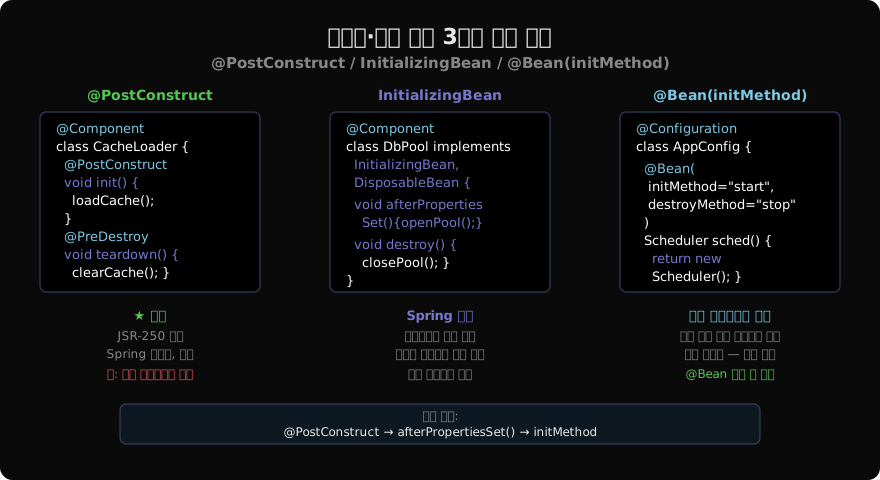
동일 빈에 여러 콜백이 등록되면 다음 순서로 실행됩니다.
초기화: @PostConstruct → afterPropertiesSet() → initMethod
소멸:   @PreDestroy    → destroy()            → destroyMethod
실무 선택 기준:
내가 만든 클래스, 초기화 필요       → @PostConstruct / @PreDestroy
외부 라이브러리, @Bean으로 등록     → initMethod / destroyMethod
Spring 레거시 코드 분석 시          → InitializingBean / DisposableBean 이해 필요
SmartInitializingSingleton — 모든 싱글톤 완성 후
일반 @PostConstruct는 해당 빈 단독의 초기화 완료를 보장하지만, 다른 싱글톤 빈들이 모두 초기화된 뒤에 작업해야 할 때가 있습니다. 이 경우 SmartInitializingSingleton을 구현합니다.
@Component
public class PluginRegistry implements SmartInitializingSingleton {

    private final List<Plugin> plugins;

    public PluginRegistry(List<Plugin> plugins) {
        this.plugins = plugins;
    }

    @Override
    public void afterSingletonsInstantiated() {
        // 모든 싱글톤 빈이 생성된 후 호출
        plugins.forEach(p -> {
            p.initialize();
            System.out.println("플러그인 등록: " + p.getName());
        });
    }
}ApplicationListener<ContextRefreshedEvent>도 동일한 시점을 포착할 수 있지만, SmartInitializingSingleton이 더 간결합니다.
생명주기 콜백 테스트
class CacheLoaderTest {

    @Test
    void init_loadsCache() {
        ItemRepository mockRepo = Mockito.mock(ItemRepository.class);
        given(mockRepo.findAll()).willReturn(List.of(new Item(1L, "책")));

        CacheLoader loader = new CacheLoader(mockRepo);
        loader.init();  // @PostConstruct 메서드 직접 호출

        assertThat(loader.getCache()).hasSize(1);
    }

    @Test
    void teardown_clearCache() {
        CacheLoader loader = new CacheLoader(Mockito.mock(ItemRepository.class));
        loader.init();
        loader.teardown();  // @PreDestroy 직접 호출

        assertThat(loader.getCache()).isEmpty();
    }
}@PostConstruct와 @PreDestroy를 일반 public 메서드로 선언하면 테스트에서 직접 호출할 수 있습니다. 이것이 인터페이스 구현 방식보다 테스트 친화적인 이유 중 하나입니다.
컨테이너 종료 훅 등록
ApplicationContext.close()를 명시적으로 호출하거나 JVM 셧다운 훅을 등록해야 @PreDestroy가 호출됩니다.
// 스프링 부트 앱은 자동 등록되지만,
// 일반 ApplicationContext를 사용하면 직접 등록 필요
ConfigurableApplicationContext ctx =
    new AnnotationConfigApplicationContext(AppConfig.class);
ctx.registerShutdownHook();   // JVM 종료 시 @PreDestroy 자동 호출
Spring Boot 애플리케이션은 SpringApplication.run()이 반환하는 ConfigurableApplicationContext에 셧다운 훅이 기본으로 등록되어 있습니다.
정리
- ①→② 인스턴스화·주입 → 생성자 호출 후
@Autowired처리 - ③④⑤ 초기화 단계 → BPP Before →
@PostConstruct→ BPP After(AOP) - ⑥ 사용 → 실제 서비스 처리
- ⑦ 소멸 →
@PreDestroy호출 후 GC - 콜백 선택:
@PostConstruct우선, 외부 라이브러리엔initMethod - JVM 셧다운 훅 등록이 되어야
@PreDestroy가 실행됨
지난 글: Spring Bean Scope: 싱글톤부터 Request·Session까지
다음 글: BeanPostProcessor: Spring AOP와 확장 포인트의 핵심
읽어주셔서 감사합니다. 😊
PALDYN / ARTICLE AI
글의 개념, 수식, 코드에 대해 물어보세요.
질문과 관련된 문단을 골라 답변의 문맥으로 사용합니다.생각 중 · 0초