

XML로 빈 설정하기 — <bean> 태그 완전 정복
스프링 XML 설정 파일의 구조와 <bean> 태그의 id·class·scope·init-method 속성, constructor-arg·property 자식 태그를 예제와 함께 완전히 이해합니다.
지난 글에서 IoC 컨테이너의 계층 구조와 부트스트랩 과정을 살펴봤습니다. 컨테이너가 빈을 생성하려면 “어떤 클래스를, 어떤 방식으로, 어떤 의존성과 함께 만들라”는 지시서가 필요합니다. 스프링 초창기에는 XML이 이 지시서 역할을 담당했습니다. 오늘날 자바 설정이 대세지만, 레거시 프로젝트 유지보수나 외부 라이브러리 빈 등록 시 XML을 읽고 쓸 줄 알아야 합니다.
applicationContext.xml 기본 구조
스프링 XML 설정 파일은 <beans> 루트 요소 아래에 <bean> 정의를 나열합니다.
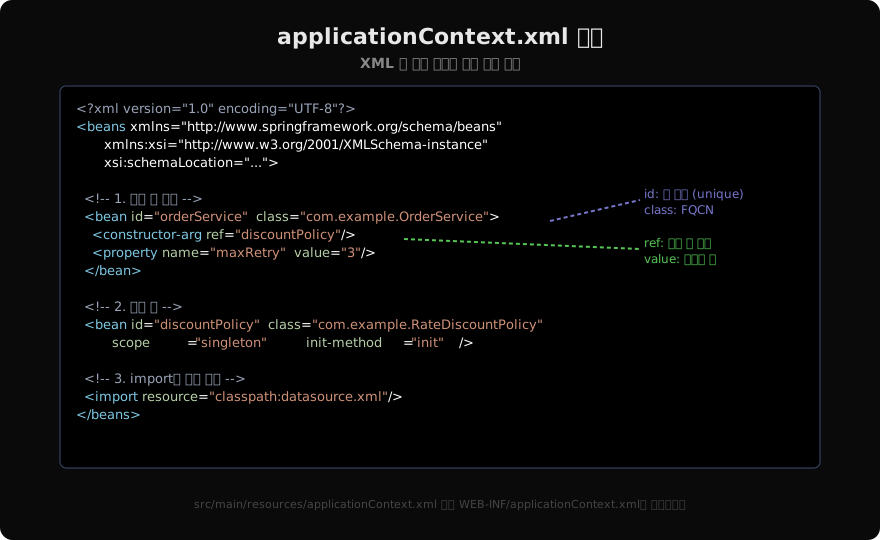
<?xml version="1.0" encoding="UTF-8"?>
<beans xmlns="http://www.springframework.org/schema/beans"
       xmlns:xsi="http://www.w3.org/2001/XMLSchema-instance"
       xsi:schemaLocation="
           http://www.springframework.org/schema/beans
           https://www.springframework.org/schema/beans/spring-beans.xsd">

    <bean id="orderService" class="com.example.OrderService">
        <constructor-arg ref="discountPolicy"/>
    </bean>

    <bean id="discountPolicy"
          class="com.example.RateDiscountPolicy"/>

</beans>
파일은 src/main/resources/ 하위에 위치하면 ClassPathXmlApplicationContext가 classpath: 접두사로 찾습니다.
<bean> 핵심 속성
| 속성 | 필수 | 설명 |
|---|---|---|
id | 권장 | 빈 이름. 컨테이너 내 유일해야 함 |
name | 선택 | 쉼표로 구분한 별칭 목록 |
class | 필수 | 완전 클래스명(FQCN) |
scope | 선택 | singleton(기본), prototype, request, session |
init-method | 선택 | 초기화 후 호출할 메서드 이름 |
destroy-method | 선택 | 컨테이너 종료 시 호출할 메서드 |
lazy-init | 선택 | true이면 첫 getBean() 시점에 초기화 |
depends-on | 선택 | 먼저 초기화될 빈 이름(순서 제어) |
factory-method | 선택 | 정적 팩토리 메서드 이름 |
factory-bean | 선택 | 인스턴스 팩토리 빈 이름 |
scope 선택 기준
<!-- 싱글톤: 컨테이너 당 인스턴스 하나 (기본값) -->
<bean id="orderService" class="com.example.OrderService" scope="singleton"/>

<!-- 프로토타입: getBean() 마다 새 인스턴스 -->
<bean id="shoppingCart" class="com.example.ShoppingCart" scope="prototype"/>
싱글톤 빈에 프로토타입 빈을 의존성으로 주입할 때는 매 요청마다 새 인스턴스가 필요하다면 ObjectFactory 또는 @Lookup을 써야 합니다. 단순 XML 주입으로는 컨테이너 기동 시 한 번만 주입되기 때문입니다.
생성자 주입 — <constructor-arg>
<bean id="orderService" class="com.example.OrderService">
    <!-- 빈 참조 -->
    <constructor-arg ref="discountPolicy"/>
    <!-- 리터럴 값 -->
    <constructor-arg value="3"/>
    <!-- 인덱스로 순서 명시 -->
    <constructor-arg index="0" ref="discountPolicy"/>
    <!-- 타입으로 지정 -->
    <constructor-arg type="int" value="3"/>
    <!-- 이름으로 지정 (디버그 정보 필요) -->
    <constructor-arg name="maxRetry" value="3"/>
</bean>index, type, name 세 가지 방식으로 매개변수를 특정할 수 있습니다. 매개변수가 두 개 이상이면 index 또는 name을 명시하는 것이 안전합니다.
세터 주입 — <property>
<bean id="emailSender" class="com.example.EmailSender">
    <!-- 리터럴 값 -->
    <property name="host" value="smtp.example.com"/>
    <property name="port" value="587"/>
    <!-- 다른 빈 참조 -->
    <property name="templateEngine" ref="freeMarkerEngine"/>
    <!-- null 주입 -->
    <property name="proxy"><null/></property>
    <!-- List 주입 -->
    <property name="recipients">
        <list>
            <value>admin@example.com</value>
            <value>ops@example.com</value>
        </list>
    </property>
</bean>
<property> 내부에는 <list>, <set>, <map>, <props> 등 컬렉션 타입을 직접 정의할 수 있습니다.
생성자 vs 세터 주입 비교
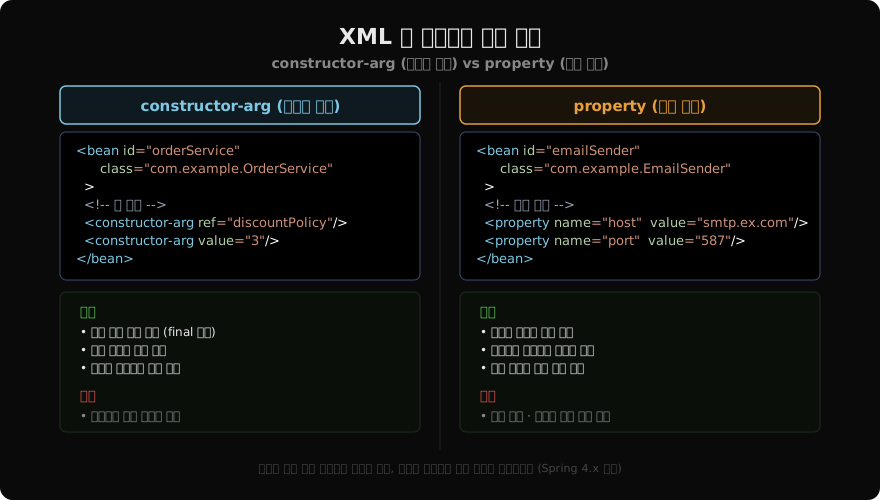
스프링 팀은 필수 의존성은 생성자, 선택적 의존성은 세터로 주입하기를 공식적으로 권장합니다. 생성자 주입은 빈을 불변 상태로 만들고 순환 의존성을 기동 시점에 발견할 수 있는 장점이 있습니다.
팩토리 메서드로 빈 정의
<!-- 정적 팩토리 메서드 -->
<bean id="calendar"
      class="java.util.Calendar"
      factory-method="getInstance"/>

<!-- 인스턴스 팩토리 메서드 -->
<bean id="connectionFactory"
      class="com.example.ConnectionFactory"/>

<bean id="connection"
      factory-bean="connectionFactory"
      factory-method="createConnection"/>
외부 라이브러리처럼 생성자를 직접 호출할 수 없는 경우 팩토리 메서드 방식을 씁니다.
파일 분리와 import
설정 파일이 커지면 도메인별로 나눠 <import>로 합칩니다.
<!-- applicationContext.xml -->
<beans ...>
    <import resource="classpath:config/datasource.xml"/>
    <import resource="classpath:config/service.xml"/>
    <import resource="classpath:config/repository.xml"/>
</beans>
ApplicationContext 생성 시 여러 파일을 직접 나열해도 됩니다.
ApplicationContext ctx = new ClassPathXmlApplicationContext(
    "config/datasource.xml",
    "config/service.xml",
    "config/repository.xml"
);
p-네임스페이스와 c-네임스페이스 (축약 표기)
XML을 더 짧게 쓰려면 p: (property) 와 c: (constructor-arg) 네임스페이스를 사용합니다.
<beans ...
       xmlns:p="http://www.springframework.org/schema/p"
       xmlns:c="http://www.springframework.org/schema/c">

    <!-- property 축약 -->
    <bean id="emailSender" class="com.example.EmailSender"
          p:host="smtp.example.com" p:port="587"/>

    <!-- constructor-arg 축약 -->
    <bean id="orderService" class="com.example.OrderService"
          c:discountPolicy-ref="discountPolicy" c:maxRetry="3"/>
</beans>
축약 표기는 간결하지만 IDE 자동완성 지원이 약하고 오타 추적이 어렵습니다. 팀 컨벤션을 따르세요.
정리
<bean>태그의 필수 속성은class, 권장 속성은id입니다.- 생성자 주입은
<constructor-arg>, 세터 주입은<property>로 설정합니다. scope,init-method,lazy-init등 속성으로 빈 라이프사이클을 제어합니다.- 설정 파일이 커지면
<import>로 분리하고, 개발 편의를 위해p:/c:네임스페이스를 활용합니다. - 레거시 프로젝트 유지보수나 라이브러리 빈 등록 등 XML이 꼭 필요한 상황은 여전히 존재합니다.
지난 글: IoC 컨테이너 — BeanFactory와 ApplicationContext
다음 글: 자바로 빈 설정하기 — @Configuration과 @Bean
읽어주셔서 감사합니다. 😊
PALDYN / ARTICLE AI
글의 개념, 수식, 코드에 대해 물어보세요.
질문과 관련된 문단을 골라 답변의 문맥으로 사용합니다.생각 중 · 0초