

REST API 오류 응답 표준화 — RFC 7807 Problem Details
RFC 7807 Problem Details 포맷을 Spring Boot 3에서 구현하는 방법을 다룹니다. 표준화 이전의 문제점, RFC 7807 표준 필드(type·title·status·detail·instance), Spring 6의 ProblemDetail 클래스 사용법, @RestControllerAdvice 전역 핸들러 구현, 커스텀 확장 필드 추가, 실무 적용 팁을 단계적으로 설명합니다.
지난 글에서 버전 관리 전략을 살펴봤습니다. 클라이언트가 새 버전에 적응하는 것만큼 중요한 것이 오류가 발생했을 때 클라이언트가 예측 가능한 응답을 받는 일입니다. REST API에서 오류 응답 형식은 팀마다, 프로젝트마다 제각각이어서 프론트엔드·파트너사·모바일 개발자들이 각 API마다 별도 파싱 로직을 작성해야 하는 문제가 오랫동안 이어져 왔습니다. RFC 7807 Problem Details는 HTTP API 오류 응답을 위한 IETF 표준 포맷으로, Spring 6 / Boot 3부터는 이 표준을 ProblemDetail 클래스로 기본 지원합니다. 이 글에서는 표준화 배경부터 Spring에서의 구현 방법까지 단계적으로 정리합니다.
표준화 이전의 문제점
오류 응답 포맷이 팀마다 다르면 다음과 같은 상황이 반복됩니다.
// 팀 A
{ "message": "User not found", "code": 1004 }

// 팀 B
{ "error": "NOT_FOUND", "status": 404, "msg": "no user" }

// 팀 C
{ "errorCode": "E404", "description": "존재하지 않는 사용자" }
클라이언트는 각 팀·서비스에 맞는 파싱 로직을 별도로 작성해야 합니다. 오류 유형이 무엇인지(code, errorCode 중 어느 것?), 상세 설명이 어느 필드에 있는지(message, msg, description 중?), 이 오류가 어느 리소스에 대한 것인지 알 방법이 없습니다.
RFC 7807 Problem Details
IETF RFC 7807(2016)은 HTTP API 오류 응답을 위한 표준 포맷을 정의합니다. 2023년 RFC 9457로 갱신됐지만 Spring 생태계에서는 여전히 “RFC 7807 Problem Details”라는 이름으로 불립니다. Content-Type은 application/problem+json입니다.
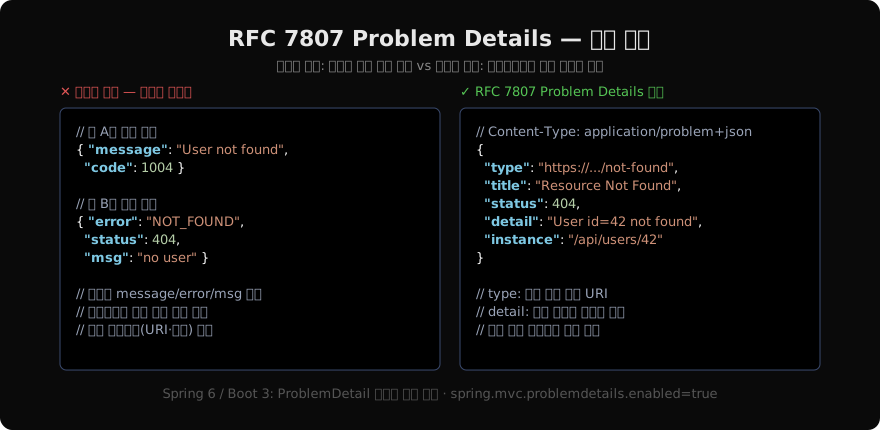
표준 필드
| 필드 | 타입 | 필수 | 설명 |
|---|---|---|---|
type | URI | 선택 | 오류 유형 문서 URI. 없으면 about:blank |
title | string | 선택 | 오류 유형의 짧은 요약. type이 같으면 항상 동일 |
status | integer | 선택 | HTTP 상태 코드 (HTTP 헤더와 동일) |
detail | string | 선택 | 이번 특정 요청에 대한 구체적인 설명 |
instance | URI | 선택 | 오류가 발생한 특정 URI 경로 |
이 5개 필드 외에 도메인별 추가 필드를 자유롭게 붙일 수 있습니다. errors, traceId, timestamp 같은 필드가 대표적입니다.
{
  "type": "https://api.example.com/errors/validation",
  "title": "Validation Failed",
  "status": 422,
  "detail": "입력 데이터 검증에 실패했습니다.",
  "instance": "/api/orders",
  "errors": [
    { "field": "quantity", "message": "1 이상이어야 합니다" },
    { "field": "productId", "message": "필수 값입니다" }
  ],
  "traceId": "550e8400-e29b-41d4"
}
Spring 6 / Boot 3 내장 지원
Spring 6.0부터 org.springframework.http.ProblemDetail 클래스가 추가됐습니다. Spring MVC는 기본적으로 일부 내장 예외(MethodArgumentNotValidException, HttpRequestMethodNotSupportedException 등)를 Problem Details 형식으로 변환할 수 있습니다. Boot 3에서 활성화하려면 다음 한 줄만 추가합니다.
# application.yml
spring:
  mvc:
    problemdetails:
      enabled: true
이 설정을 켜면 Spring MVC가 처리하는 기본 예외들이 자동으로 application/problem+json 형식으로 응답합니다.
ProblemDetail 클래스 사용법
ProblemDetail은 5개 표준 필드를 담는 간단한 클래스입니다. 정적 팩토리 메서드로 쉽게 생성할 수 있습니다.
// 상태 코드만 지정
ProblemDetail pd = ProblemDetail.forStatus(HttpStatus.NOT_FOUND);

// 상태 코드 + 상세 설명
ProblemDetail pd = ProblemDetail
    .forStatusAndDetail(HttpStatus.NOT_FOUND, "User id=42 not found");

// 추가 필드 설정
pd.setType(URI.create("https://api.example.com/errors/not-found"));
pd.setTitle("Resource Not Found");
pd.setInstance(URI.create("/api/users/42"));

// 커스텀 확장 필드 (도메인별 추가 데이터)
pd.setProperty("traceId", UUID.randomUUID().toString());
pd.setProperty("timestamp", Instant.now());
@RestControllerAdvice 전역 핸들러 구현
모든 컨트롤러에서 발생하는 예외를 한 곳에서 처리하려면 @RestControllerAdvice를 사용합니다.
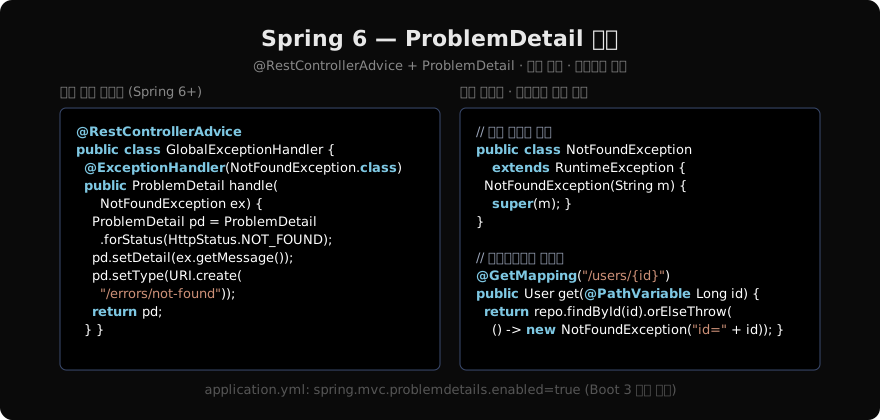
@RestControllerAdvice
public class GlobalExceptionHandler {

    // 리소스 없음
    @ExceptionHandler(NotFoundException.class)
    public ProblemDetail handleNotFound(NotFoundException ex,
                                        HttpServletRequest req) {
        ProblemDetail pd = ProblemDetail
                .forStatusAndDetail(HttpStatus.NOT_FOUND, ex.getMessage());
        pd.setType(URI.create("https://api.example.com/errors/not-found"));
        pd.setInstance(URI.create(req.getRequestURI()));
        pd.setProperty("traceId", MDC.get("traceId")); // 로그 연계
        return pd;
    }

    // 입력 검증 실패 (@Valid 오류)
    @ExceptionHandler(MethodArgumentNotValidException.class)
    public ProblemDetail handleValidation(MethodArgumentNotValidException ex) {
        ProblemDetail pd = ProblemDetail
                .forStatusAndDetail(HttpStatus.UNPROCESSABLE_ENTITY, "입력 검증 실패");
        pd.setType(URI.create("https://api.example.com/errors/validation"));

        List<Map<String, String>> errors = ex.getBindingResult()
                .getFieldErrors()
                .stream()
                .map(fe -> Map.of(
                        "field", fe.getField(),
                        "message", fe.getDefaultMessage()))
                .toList();
        pd.setProperty("errors", errors);
        return pd;
    }

    // 서버 내부 오류 (상세 정보 노출 최소화)
    @ExceptionHandler(Exception.class)
    public ProblemDetail handleGeneral(Exception ex) {
        log.error("Unhandled exception", ex);
        return ProblemDetail.forStatusAndDetail(
                HttpStatus.INTERNAL_SERVER_ERROR,
                "서버 내부 오류가 발생했습니다.");
    }
}
@ExceptionHandler 메서드가 ProblemDetail을 반환하면 Spring MVC가 자동으로 Content-Type: application/problem+json을 설정합니다.
예외 클래스 설계
응용 계층 예외는 간단하게 유지합니다. 오류 메시지는 예외 생성 시점에 결정되어 핸들러에서 getMessage()로 꺼내 씁니다.
public class NotFoundException extends RuntimeException {
    public NotFoundException(String resourceType, Object id) {
        super(resourceType + " with id=" + id + " not found");
    }
}

public class ConflictException extends RuntimeException {
    public ConflictException(String message) {
        super(message);
    }
}
컨트롤러에서는 예외를 던지기만 하면 됩니다.
@GetMapping("/users/{id}")
public UserResponse getUser(@PathVariable Long id) {
    return userRepository.findById(id)
            .map(UserResponse::from)
            .orElseThrow(() -> new NotFoundException("User", id));
}
ResponseEntityExceptionHandler 활용
Spring 자체 예외(HttpMessageNotReadableException, MissingServletRequestParameterException 등)도 Problem Details로 통일하려면 ResponseEntityExceptionHandler를 상속합니다.
@RestControllerAdvice
public class GlobalExceptionHandler extends ResponseEntityExceptionHandler {

    // 부모 클래스가 Spring 내부 예외를 ProblemDetail로 자동 변환
    // 커스텀 예외만 추가로 처리

    @ExceptionHandler(NotFoundException.class)
    public ProblemDetail handleNotFound(NotFoundException ex) {
        return ProblemDetail.forStatusAndDetail(
                HttpStatus.NOT_FOUND, ex.getMessage());
    }
}ResponseEntityExceptionHandler는 Spring MVC 예외 약 20종을 Problem Details로 변환하는 로직을 미리 구현해두고 있습니다.
커스텀 type URI 설계
type 필드에 넣는 URI는 실제로 접근 가능한 오류 문서 URL이 이상적입니다. 현실적으로는 다음 전략 중 하나를 택합니다.
# 실제 문서 URL (이상적)
https://api.example.com/docs/errors/not-found

# 의미만 있는 URN (실용적)
urn:problem-type:not-found

# 경로 기반 (가장 간단)
/errors/not-found
가장 중요한 것은 같은 오류 유형에는 항상 같은 type URI를 사용하는 것입니다. 클라이언트가 type 값으로 오류 처리 로직을 분기할 수 있어야 합니다.
실무 체크리스트
반드시 지켜야 할 것:
- HTTP 상태 코드와
status필드를 일치시킬 것 (클라이언트 혼선 방지) - 500 오류에서 스택 트레이스·내부 구조 노출 금지 (보안)
detail메시지는 최종 사용자가 읽을 수 있는 수준으로 작성
추가하면 좋은 것:
traceId(분산 추적 연계, Zipkin/Jaeger 등)timestamp(오류 발생 시각)errors배열 (유효성 검증 오류 목록)
클라이언트에게 알리기:
API 문서(OpenAPI)에 application/problem+json 미디어 타입을 오류 응답으로 명시하면 클라이언트 개발자가 파싱 로직을 표준에 맞게 작성할 수 있습니다.
# OpenAPI 스펙 예시
responses:
  '404':
    description: 리소스 없음
    content:
      application/problem+json:
        schema:
          $ref: '#/components/schemas/ProblemDetail'
정리
RFC 7807 Problem Details는 오류 응답을 표준화해 클라이언트와 서버 간의 계약을 명확히 합니다. Spring 6 / Boot 3의 ProblemDetail 클래스 덕분에 별도 의존성 없이 표준을 따를 수 있습니다. 핵심은 @RestControllerAdvice에서 예외를 한 곳에서 처리하고, 도메인별 확장 필드로 필요한 컨텍스트를 추가하며, 500 오류에서는 내부 정보를 노출하지 않는 것입니다.
지난 글: REST API 버전 관리 — URI·헤더·Content-Type 전략 비교
다음 글: OpenAPI 3.0 & Swagger UI로 REST API 문서화
읽어주셔서 감사합니다. 😊
PALDYN / ARTICLE AI
글의 개념, 수식, 코드에 대해 물어보세요.
질문과 관련된 문단을 골라 답변의 문맥으로 사용합니다.생각 중 · 0초