

Spring Security 인증과 인가 — Authentication vs Authorization
Spring Security에서 인증(Authentication)과 인가(Authorization)의 개념적 차이와 내부 구현을 다룹니다. AuthenticationManager·AuthenticationProvider 체계, AuthorizationManager, URL 기반 접근 규칙 설정, 메서드 레벨 보안(@PreAuthorize), 그리고 HTTP 상태코드 401과 403의 의미 차이를 정리합니다.
지난 글에서 Spring Security의 필터 체인 구조를 살펴봤습니다. FilterChainProxy 안에서 여러 필터가 순서대로 실행된다는 것을 이해했다면, 이제 그 필터들이 처리하는 두 가지 핵심 개념을 구분해야 합니다. 인증과 인가는 흔히 혼용되지만, 다루는 질문이 근본적으로 다릅니다.
핵심 질문의 차이
인증(Authentication)은 “당신이 누구입니까?”를 묻습니다. 사용자가 제출한 자격증명(아이디·비밀번호, 토큰 등)을 검증해 신원을 확인하는 과정입니다. 인증에 실패하면 HTTP 401 Unauthorized를 반환합니다.
인가(Authorization)는 “당신이 이것을 할 수 있습니까?”를 묻습니다. 이미 인증된 사용자가 특정 리소스나 기능에 접근할 권한이 있는지 결정합니다. 인가에 실패하면 HTTP 403 Forbidden을 반환합니다.
401과 403을 구분하는 것은 API 소비자에게 중요한 신호입니다. 401은 “다시 로그인하세요”이고, 403은 “로그인은 됐지만 권한이 없습니다”입니다.
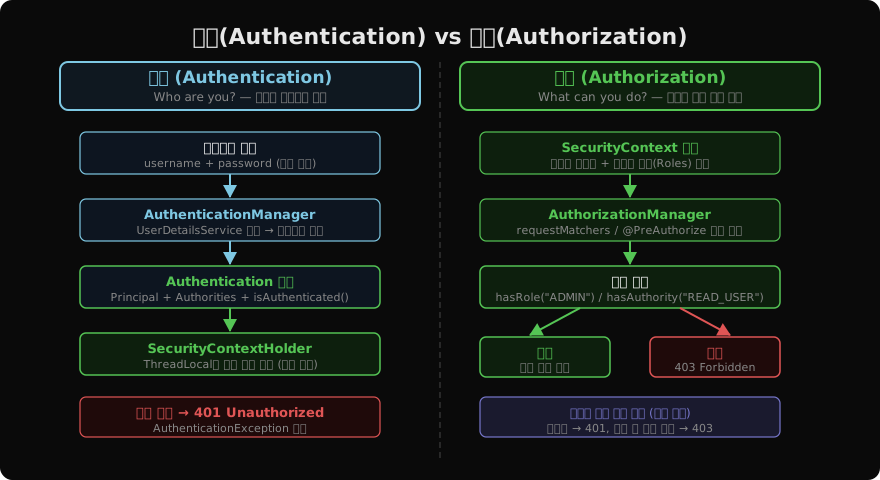
Spring Security의 인증 처리 계층
Spring Security에서 인증은 AuthenticationManager 인터페이스 하나로 추상화됩니다.
public interface AuthenticationManager {
    Authentication authenticate(Authentication authentication)
        throws AuthenticationException;
}
기본 구현체 ProviderManager는 여러 AuthenticationProvider에 인증을 위임합니다. 각 Provider는 특정 인증 방식을 담당합니다.
@Bean
public AuthenticationManager authManager(
        UserDetailsService userDetailsService,
        PasswordEncoder passwordEncoder) {
    DaoAuthenticationProvider provider = new DaoAuthenticationProvider();
    provider.setUserDetailsService(userDetailsService);
    provider.setPasswordEncoder(passwordEncoder);
    return new ProviderManager(provider);
}DaoAuthenticationProvider는 UserDetailsService로 사용자를 조회하고 PasswordEncoder로 비밀번호를 검증합니다. JWT 인증이나 OAuth2를 사용할 때는 별도의 Provider를 구현해 등록합니다.
Authentication 객체
인증에 성공하면 Authentication 객체가 생성됩니다.
Authentication auth = SecurityContextHolder.getContext().getAuthentication();

Object principal  = auth.getPrincipal();     // UserDetails 또는 String
Object credentials = auth.getCredentials();  // 비밀번호 (인증 후 보통 null)
Collection<? extends GrantedAuthority> authorities = auth.getAuthorities();
boolean isAuthenticated = auth.isAuthenticated();authorities는 ROLE_USER, ROLE_ADMIN 같은 권한 목록입니다. hasRole("ADMIN")은 내부적으로 ROLE_ADMIN을 검사합니다.
Spring Security의 인가 처리 계층
인가는 Spring Security 5.6부터 AuthorizationManager 인터페이스가 담당합니다.
public interface AuthorizationManager<T> {
    AuthorizationDecision check(Supplier<Authentication> authentication, T object);
}
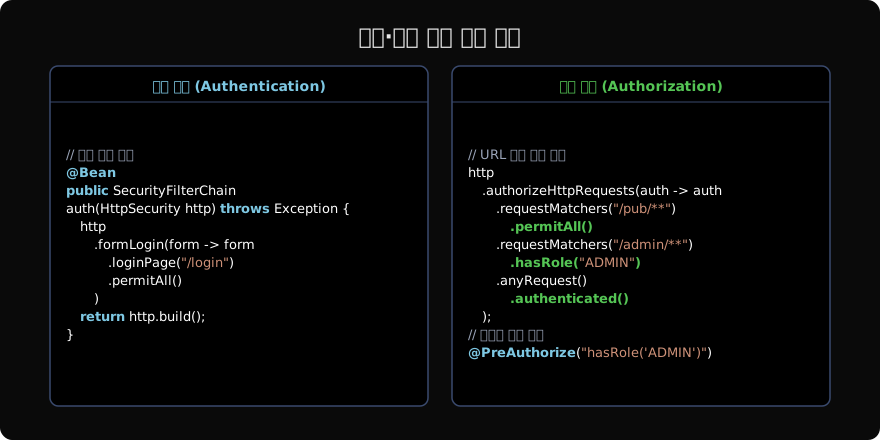
URL 기반 인가는 HttpSecurity.authorizeHttpRequests() DSL로 설정합니다.
http.authorizeHttpRequests(auth -> auth
    .requestMatchers(HttpMethod.GET, "/api/posts/**").permitAll()
    .requestMatchers("/api/admin/**").hasRole("ADMIN")
    .requestMatchers("/api/users/{id}/**")
        .access(new WebExpressionAuthorizationManager(
            "#id == authentication.principal.id"))
    .anyRequest().authenticated()
);
규칙은 선언 순서대로 매칭됩니다. 더 구체적인 규칙을 위에, 광범위한 규칙(anyRequest())을 마지막에 두어야 합니다.
메서드 레벨 보안
URL 규칙 외에도 서비스 메서드에 직접 인가 로직을 붙일 수 있습니다. @EnableMethodSecurity를 활성화하면 됩니다.
@Configuration
@EnableMethodSecurity   // @EnableGlobalMethodSecurity 대체 (Boot 3.x)
public class MethodSecurityConfig {}@Service
public class PostService {
@PreAuthorize("hasRole('ADMIN') or #authorId == authentication.principal.id")
public void deletePost(Long postId, Long authorId) {
// ADMIN이거나 본인 게시글만 삭제 가능
postRepository.deleteById(postId);
}
@PostAuthorize("returnObject.authorId == authentication.principal.id")
public Post getPost(Long postId) {
// 반환된 게시글의 작성자만 조회 가능 (SpEL)
return postRepository.findById(postId).orElseThrow();
}
@PreAuthorize("hasAuthority('POST_WRITE')")
public Post createPost(PostRequest request) {
return postRepository.save(request.toEntity());
}
}@PreAuthorize는 메서드 실행 전, @PostAuthorize는 실행 후 반환값을 기준으로 검사합니다. SpEL(Spring Expression Language)을 사용하므로 #paramName으로 파라미터를, authentication으로 현재 인증 정보에 접근할 수 있습니다.
예외 처리: 401 vs 403
Spring Security는 인증·인가 예외를 ExceptionTranslationFilter가 HTTP 응답으로 변환합니다.
http.exceptionHandling(ex -> ex
    // 미인증 → 401 처리 (기본: 로그인 페이지 리다이렉트)
    .authenticationEntryPoint((request, response, authException) -> {
        response.setContentType("application/json;charset=UTF-8");
        response.setStatus(HttpServletResponse.SC_UNAUTHORIZED);
        response.getWriter().write("{\"error\":\"인증이 필요합니다\"}");
    })
    // 권한 없음 → 403 처리
    .accessDeniedHandler((request, response, accessDeniedException) -> {
        response.setContentType("application/json;charset=UTF-8");
        response.setStatus(HttpServletResponse.SC_FORBIDDEN);
        response.getWriter().write("{\"error\":\"접근 권한이 없습니다\"}");
    })
);
REST API에서는 로그인 페이지로 리다이렉트하는 대신 JSON 오류 응답을 반환해야 합니다. AuthenticationEntryPoint와 AccessDeniedHandler를 커스터마이징하면 앞서 만든 ApiResponse 형식과 일관성을 유지할 수 있습니다.
정리: 두 개념의 위치
| 인증 (Authentication) | 인가 (Authorization) | |
|---|---|---|
| 질문 | 누구인가 | 무엇을 할 수 있는가 |
| 실패 코드 | 401 | 403 |
| 주요 인터페이스 | AuthenticationManager | AuthorizationManager |
| Spring 컴포넌트 | UsernamePasswordAuthFilter | AuthorizationFilter |
| 설정 위치 | formLogin(), oauth2Login() | authorizeHttpRequests(), @PreAuthorize |
인증 없이 인가가 의미 없고, 인가 없는 인증은 절반의 보안입니다. 두 단계가 모두 올바르게 설정돼야 Spring Security가 의도한 대로 동작합니다.
지난 글: Spring Security 아키텍처 — 필터 체인의 구조와 동작
다음 글: UserDetailsService와 PasswordEncoder 구현
읽어주셔서 감사합니다. 😊
PALDYN / ARTICLE AI
글의 개념, 수식, 코드에 대해 물어보세요.
질문과 관련된 문단을 골라 답변의 문맥으로 사용합니다.생각 중 · 0초