

크리덴셜 스터핑: 공격 원리와 방어 전략
크리덴셜 스터핑의 공격 흐름과 비밀번호 재사용 위험성을 설명하고, 속도 제한·유출 비밀번호 탐지·위험 기반 인증을 결합한 다층 방어 전략을 Python 코드와 함께 다룹니다.
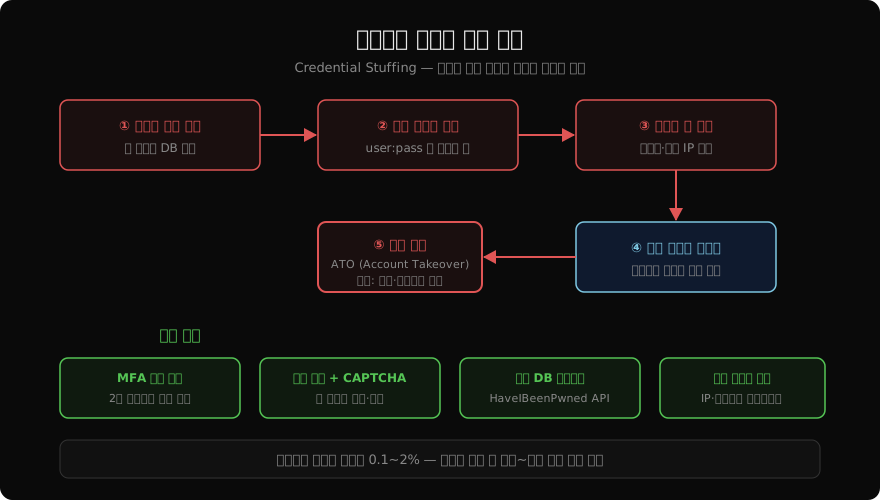
지난 글에서 속성 기반 접근 제어로 정교한 권한 정책을 구현하는 방법을 살펴봤다. 아무리 정교한 인가 시스템을 갖춰도 공격자가 정상 계정으로 로그인에 성공하면 무용지물이 된다. 크리덴셜 스터핑(Credential Stuffing)은 다른 서비스에서 유출된 계정 정보로 자동화 로그인을 시도하는 공격으로, 현재 계정 탈취의 가장 흔한 경로다.
크리덴셜 스터핑이란
브루트포스가 가능한 모든 비밀번호 조합을 시도하는 것과 달리, 크리덴셜 스터핑은 실제로 유출된 사용자명:비밀번호 쌍(콤보 리스트)을 사용한다. 다크웹에는 수십억 건의 유출 계정 정보가 거래된다.
공격 성공의 핵심 전제는 비밀번호 재사용이다. 사람들이 여러 서비스에 동일한 비밀번호를 쓰기 때문에, 서비스 A에서 유출된 계정이 서비스 B 로그인에 그대로 통한다.
공격 성공률과 규모
크리덴셜 스터핑의 성공률은 0.12% 수준이다. 낮아 보이지만 수백만 건의 콤보 리스트를 사용하면 수천수만 건의 계정 탈취가 가능하다. 공격자는 탈취된 계정으로 금융 사기, 개인정보 판매, 포인트·마일리지 현금화 등 다양한 수익을 취한다.
현대 크리덴셜 스터핑 공격의 특징:
- 분산 IP: 수천 개의 주거용 프록시를 사용해 IP 차단을 우회한다
- 저속 공격: 속도를 낮춰 이상 탐지 임계값을 피한다
- User-Agent 위장: 정상 브라우저처럼 보이도록 헤더를 조작한다
- 상태 관리: 쿠키, CSRF 토큰 등을 자동으로 처리하는 봇을 사용한다
방어 계층
단일 방어로는 충분하지 않다. 여러 방어를 중첩해야 한다.
1. 속도 제한(Rate Limiting)
로그인 엔드포인트에 IP·계정 단위 속도 제한을 적용한다. Redis 슬라이딩 윈도우가 가장 일반적이다.
import redis
import time

r = redis.Redis()

def rate_limit_exceeded(key: str, limit: int, window: int) -> bool:
    now = time.time()
    pipe = r.pipeline()
    pipe.zremrangebyscore(key, 0, now - window)
    pipe.zadd(key, {str(now): now})
    pipe.zcard(key)
    pipe.expire(key, window)
    results = pipe.execute()
    return results[2] > limit

# 사용: IP당 10회/분, 계정당 5회/분 제한
def check_login_rate(ip: str, username: str) -> bool:
    if rate_limit_exceeded(f"rate:ip:{ip}", limit=10, window=60):
        return False
    if rate_limit_exceeded(f"rate:user:{username}", limit=5, window=60):
        return False
    return True
2. 유출 비밀번호 탐지
HaveIBeenPwned API는 k-익명성(k-anonymity) 모델로 비밀번호의 처음 5자리 SHA-1 해시만 전송해 개인정보 노출 없이 유출 여부를 확인한다.
import hashlib
import httpx

async def is_pwned_password(password: str) -> bool:
    sha1 = hashlib.sha1(password.encode()).hexdigest().upper()
    prefix, suffix = sha1[:5], sha1[5:]
    async with httpx.AsyncClient() as client:
        r = await client.get(
            f"https://api.pwnedpasswords.com/range/{prefix}",
            headers={"Add-Padding": "true"}
        )
    for line in r.text.splitlines():
        h, count = line.split(":")
        if h == suffix:
            return True  # 유출된 비밀번호
    return False
3. 위험 기반 인증(Risk-Based Authentication)
로그인 요청의 다양한 신호를 점수화해 위험도가 높으면 MFA 챌린지를 요구한다.
def compute_risk_score(username: str, ip: str, user_agent: str) -> float:
    score = 0.0

    # 새 IP에서 시도
    if not is_known_ip(username, ip):
        score += 0.3

    # 알려진 데이터센터/VPN IP
    if is_datacenter_ip(ip):
        score += 0.3

    # 헤드리스 브라우저 패턴
    if is_headless_ua(user_agent):
        score += 0.2

    # 최근 다른 계정 실패 기록
    if recent_failures_from_ip(ip) > 3:
        score += 0.2

    return min(score, 1.0)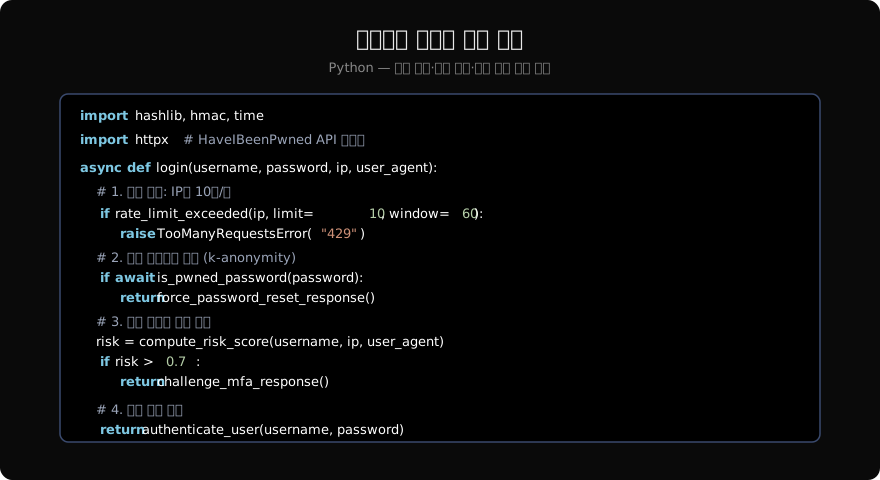
통합 방어 구현
async def secure_login(
    username: str, password: str, ip: str, user_agent: str
) -> LoginResult:
    # 속도 제한
    if not check_login_rate(ip, username):
        raise TooManyRequests("로그인 시도 횟수 초과")

    # 유출 비밀번호 확인
    if await is_pwned_password(password):
        # 인증 결과와 무관하게 비밀번호 변경 강제
        notify_password_change_required(username)
        return LoginResult.force_reset()

    # 자격증명 검증
    user = verify_credentials(username, password)
    if not user:
        record_failed_attempt(ip, username)
        raise AuthenticationError("인증 실패")

    # 위험 기반 MFA
    risk = compute_risk_score(username, ip, user_agent)
    if risk > 0.5:
        return LoginResult.require_mfa(user)

    # 정상 로그인
    record_successful_login(username, ip)
    return LoginResult.success(create_session(user))
비밀번호 재사용 감지
자신의 서비스 내 비밀번호 이력을 확인해 재사용을 차단하는 것도 중요하다.
import bcrypt

def is_password_reused(user_id: int, new_password: str, history_count: int = 5) -> bool:
    """최근 N개 비밀번호와 동일하면 재사용으로 판단"""
    history = get_password_history(user_id, limit=history_count)
    return any(
        bcrypt.checkpw(new_password.encode(), old_hash.encode())
        for old_hash in history
    )
로그인 이상 모니터링
# 계정별 이상 로그인 알림
def check_anomaly_and_alert(user, ip, user_agent):
    last_login = get_last_login(user.id)
    if last_login:
        # 지리적으로 불가능한 이동 감지
        if is_impossible_travel(last_login.ip, ip, last_login.timestamp):
            send_security_alert(user.email, "불가능한 위치에서 로그인 감지")
            block_session_and_require_reverification(user.id)
크리덴셜 스터핑 방어의 핵심은 비밀번호 재사용을 제거하고, 봇 자동화를 방해하고, 이상 행동을 실시간으로 탐지하는 것이다. 다음 글에서는 OWASP Top 10의 전체 목록을 살펴보며 웹 보안의 가장 중요한 취약점들을 개관한다.
지난 글: ABAC: 속성 기반 접근 제어의 원리와 구현
다음 글: OWASP Top 10: 가장 위험한 웹 취약점 개관
읽어주셔서 감사합니다. 😊
PALDYN / ARTICLE AI
글의 개념, 수식, 코드에 대해 물어보세요.
질문과 관련된 문단을 골라 답변의 문맥으로 사용합니다.생각 중 · 0초