

토큰 보안 모범 사례: 저장·전송·폐기
Access Token과 Refresh Token을 안전하게 저장하고 전송하는 방법, localStorage 위험성, HttpOnly 쿠키 설정, 토큰 폐기 전략을 코드와 함께 설명합니다.
지난 글에서 JWT 알고리즘 혼동 공격을 살펴봤다. 올바른 토큰을 발급하더라도 어디에 저장하고 어떻게 전송하느냐에 따라 보안이 크게 달라진다. 이번 글은 토큰의 생명주기 전반을 다룬다.
토큰 저장 위치의 선택
웹 브라우저에서 토큰을 저장하는 방법은 크게 세 가지다: localStorage, sessionStorage, HttpOnly Cookie. 어떤 선택을 하느냐에 따라 노출되는 공격 표면이 달라진다.
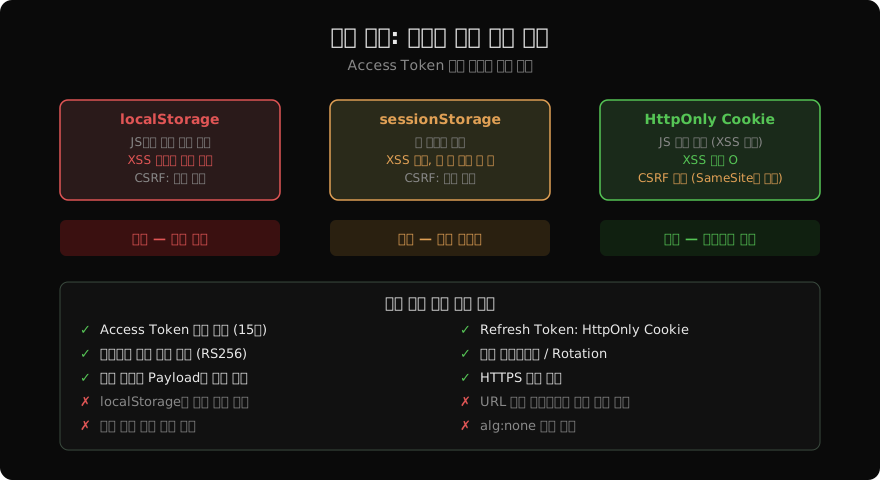
localStorage — 절대 사용하지 말 것
localStorage는 같은 오리진의 모든 자바스크립트에서 접근 가능하다. 페이지 어딘가에 XSS 취약점이 한 군데라도 있으면 localStorage.getItem('access_token')으로 즉시 탈취된다. CDN으로 로드하는 서드파티 스크립트도 포함된다.
// 위험 — 절대 하지 말 것
localStorage.setItem('access_token', token);

// XSS 발생 시 공격자가 즉시 읽을 수 있음
const stolen = localStorage.getItem('access_token');
HttpOnly Cookie — 권장 패턴
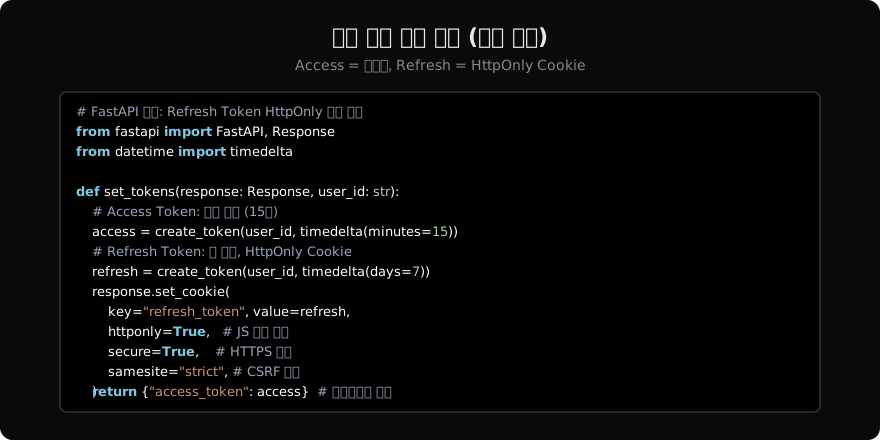
HttpOnly 속성이 붙은 쿠키는 자바스크립트에서 읽을 수 없다. XSS 공격자가 document.cookie로 훔칠 수 없다. Secure 속성으로 HTTPS 전송만 허용하고, SameSite=Strict로 CSRF도 방어한다.
// Express.js 서버 측 쿠키 설정
res.cookie('refresh_token', refreshToken, {
  httpOnly: true,      // JS 접근 불가
  secure: true,        // HTTPS만
  sameSite: 'strict',  // CSRF 방어
  maxAge: 7 * 24 * 60 * 60 * 1000, // 7일
  path: '/auth/refresh', // 경로 한정
});
권장 아키텍처: Access = 메모리, Refresh = HttpOnly Cookie
// 클라이언트: Access Token을 메모리(변수)에만 보관
let accessToken = null;  // 탭 닫으면 소멸, XSS로 접근 어려움

async function login(credentials) {
  const res = await fetch('/auth/login', {
    method: 'POST',
    credentials: 'include', // 쿠키 포함
    body: JSON.stringify(credentials),
  });
  const data = await res.json();
  // Access Token만 응답 바디로, Refresh는 서버가 쿠키로 설정
  accessToken = data.access_token;
}

async function callApi(endpoint) {
  const res = await fetch(endpoint, {
    headers: { Authorization: `Bearer ${accessToken}` },
    credentials: 'include',
  });
  if (res.status === 401) {
    await refreshTokens(); // 만료 시 자동 갱신
  }
  return res.json();
}
토큰 전송 보안
Authorization 헤더
Access Token은 Authorization: Bearer <token> 헤더로 전송한다. URL 쿼리 파라미터(?token=xxx)는 절대 사용하지 않는다. URL은 서버 로그, 브라우저 히스토리, Referer 헤더에 남는다.
# 올바른 방법
curl -H "Authorization: Bearer eyJ..." https://api.example.com/data

# 잘못된 방법 — URL에 토큰 노출
curl "https://api.example.com/data?token=eyJ..."
토큰 바인딩 (선택적 강화)
토큰을 특정 클라이언트에 바인딩하면 탈취해도 사용할 수 없다.
import hashlib

def create_bound_token(user_id: str, client_fingerprint: str) -> str:
    """클라이언트 지문을 페이로드에 포함"""
    fp_hash = hashlib.sha256(client_fingerprint.encode()).hexdigest()
    payload = {
        "sub": user_id,
        "cfp": fp_hash,  # 클라이언트 지문 해시
        "exp": time.time() + 900,
    }
    return jwt.encode(payload, PRIVATE_KEY, algorithm="RS256")

def verify_bound_token(token: str, client_fingerprint: str):
    payload = jwt.decode(token, PUBLIC_KEY, algorithms=["RS256"])
    expected = hashlib.sha256(client_fingerprint.encode()).hexdigest()
    if payload["cfp"] != expected:
        raise ValueError("토큰 바인딩 검증 실패")
    return payload
토큰 폐기 전략
JWT는 기본적으로 Stateless다. 만료 전에 강제 폐기하려면 추가 메커니즘이 필요하다.
블랙리스트 (즉시 폐기)
import redis

r = redis.Redis()

def revoke_token(jti: str, exp: int):
    """토큰 ID(jti)를 블랙리스트에 추가"""
    ttl = exp - int(time.time())
    if ttl > 0:
        r.setex(f"revoked:{jti}", ttl, "1")

def is_revoked(jti: str) -> bool:
    return r.exists(f"revoked:{jti}") > 0

def verify_token(token: str):
    payload = jwt.decode(token, PUBLIC_KEY, algorithms=["RS256"])
    if "jti" not in payload:
        raise ValueError("jti 클레임 없음")
    if is_revoked(payload["jti"]):
        raise ValueError("폐기된 토큰")
    return payload
토큰 버전 관리 (전체 무효화)
def create_token(user_id: str) -> str:
    # DB에서 현재 토큰 버전 조회
    version = db.get_token_version(user_id)
    payload = {
        "sub": user_id,
        "ver": version,   # 버전 포함
        "exp": time.time() + 900,
    }
    return jwt.encode(payload, PRIVATE_KEY, algorithm="RS256")

def verify_token(token: str):
    payload = jwt.decode(token, PUBLIC_KEY, algorithms=["RS256"])
    current_version = db.get_token_version(payload["sub"])
    if payload["ver"] != current_version:
        raise ValueError("버전 불일치 — 재로그인 필요")
    return payload

def logout_all_devices(user_id: str):
    """모든 기기 로그아웃: 버전 증가"""
    db.increment_token_version(user_id)
보안 체크리스트
- Access Token 만료: 15분 이하
- Refresh Token: HttpOnly + Secure + SameSite=Strict Cookie
- 토큰을 URL 파라미터로 전달 금지
- localStorage 저장 금지
-
jti클레임 포함 및 블랙리스트 구현 - 로그아웃 시 서버에서 토큰 폐기
- Refresh Token Rotation 구현
지난 글: JWT 알고리즘 혼동 공격
다음 글: Refresh Token Rotation 전략
읽어주셔서 감사합니다. 😊
PALDYN / ARTICLE AI
글의 개념, 수식, 코드에 대해 물어보세요.
질문과 관련된 문단을 골라 답변의 문맥으로 사용합니다.생각 중 · 0초