

Java this 키워드 완전 정복 — 인스턴스 자기 참조
Java this 키워드의 세 가지 용법을 완전 정복한다. 필드/매개변수 구별, 현재 객체 참조 반환(메서드 체이닝), this()를 통한 생성자 위임까지 원리부터 활용 패턴까지 설명한다
지난 글에서 생성자의 모든 것을 다뤘는데, 코드 곳곳에 this가 등장했다. 이번 글에서는 this가 정확히 무엇이며, 어떤 세 가지 상황에서 어떻게 활용하는지 원리부터 파헤친다.
this가 가리키는 것
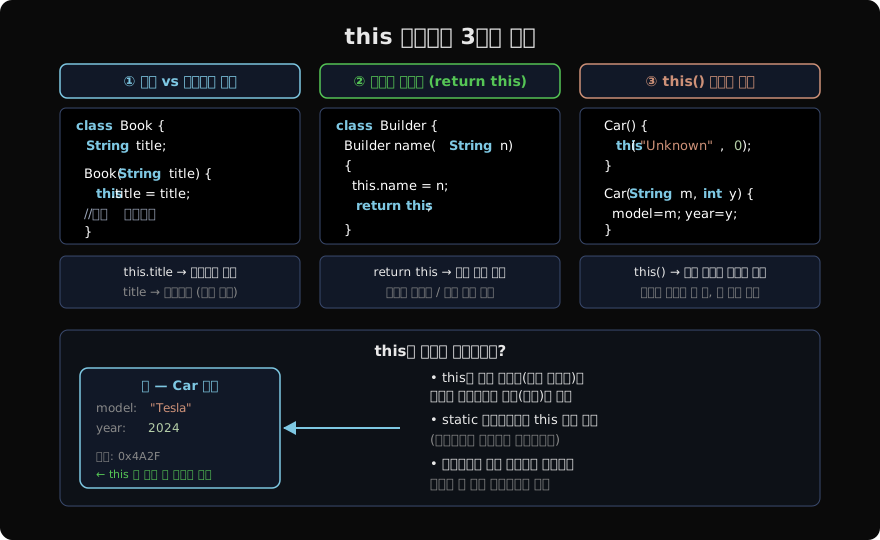
this는 현재 인스턴스의 참조(주소) 를 담은 숨겨진 변수다. 컴파일러는 모든 인스턴스 메서드(생성자 포함)에 암묵적으로 this를 첫 번째 매개변수로 전달한다. 개발자 눈에는 보이지 않지만 바이트코드 레벨에서는 항상 존재한다.
class Counter {
    int count;

    void increment() {
        // 컴파일러가 변환하면: void increment(Counter this) { this.count++; }
        count++; // 암묵적으로 this.count++
    }
}

Counter c = new Counter();
c.increment(); // 내부에서 this = c (힙 주소 0x4A2F 등)c.increment()를 호출하면 JVM은 c가 가리키는 객체의 주소를 this로 전달한다. this는 그 객체를 향하는 포인터라고 이해하면 된다.
용법 1 — 필드와 매개변수 이름 충돌 해결
생성자나 setter에서 매개변수 이름을 필드 이름과 동일하게 쓸 때 this.필드명으로 인스턴스 필드임을 명시한다.
class Member {
    String name;
    int    age;

    Member(String name, int age) {
        this.name = name; // this.name → 인스턴스 필드, name → 매개변수
        this.age  = age;
    }

    void setName(String name) {
        this.name = name; // setter에서도 동일 패턴
    }
}this를 생략하면 양쪽 모두 매개변수를 참조하게 되어 필드가 초기화되지 않는다. IntelliJ 같은 IDE는 이 경우를 경고로 표시하지만, 컴파일 오류는 나지 않으므로 런타임 버그로 이어질 수 있다.
// 잘못된 예 — 필드가 초기화되지 않음
Member(String name) {
    name = name; // name(매개변수) = name(매개변수) — 필드 unchanged
}
용법 2 — 현재 객체 참조 반환 (메서드 체이닝)
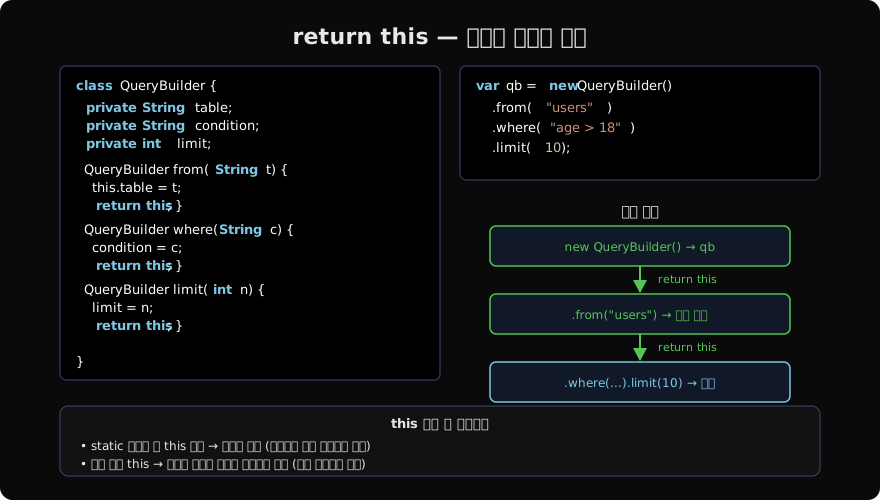
메서드에서 return this를 반환하면 같은 객체에 대한 참조를 돌려준다. 이 덕분에 점(.)으로 메서드를 연속 호출하는 메서드 체이닝이 가능하다.
class QueryBuilder {
    private String table;
    private String condition;
    private int    limit;

    QueryBuilder from(String table) {
        this.table = table;
        return this; // 자기 자신을 반환 → 체이닝 가능
    }

    QueryBuilder where(String condition) {
        this.condition = condition;
        return this;
    }

    QueryBuilder limit(int limit) {
        this.limit = limit;
        return this;
    }

    String build() {
        return "SELECT * FROM " + table
             + " WHERE " + condition
             + " LIMIT " + limit;
    }
}

// 메서드 체이닝 사용
String sql = new QueryBuilder()
    .from("users")
    .where("age > 18")
    .limit(10)
    .build();
return this 패턴은 빌더 패턴(Builder Pattern) 의 핵심이기도 하다. Lombok의 @Builder, StringBuilder, Stream.Builder 등 Java 표준 API 곳곳에서 이 패턴을 볼 수 있다.
용법 3 — this()로 생성자 위임
this(인수)는 같은 클래스의 다른 생성자를 호출한다. 생성자 오버로딩에서 중복 초기화 코드를 한 곳으로 모을 때 사용한다.
class Product {
    String name;
    int    price;
    String category;

    Product(String name) {
        this(name, 0); // ① name, price=0 생성자에 위임 — 반드시 첫 줄
    }

    Product(String name, int price) {
        this(name, price, "기타"); // ② 3-인수 생성자에 위임 — 반드시 첫 줄
    }

    Product(String name, int price, String category) { // ③ 실제 초기화
        this.name     = name;
        this.price    = price;
        this.category = category;
    }
}
this() 호출에는 두 가지 엄격한 제약이 있다.
- 반드시 생성자 본문의 첫 번째 문장이어야 한다.
- 한 생성자에서 한 번만 사용 가능하다.
두 규칙을 어기면 컴파일 오류가 발생한다.
static 맥락에서 this는 사용 불가
static 메서드나 static 초기화 블록에서는 this를 쓸 수 없다. 정적 멤버는 인스턴스 없이 클래스 레벨에서 호출되므로, 가리킬 “현재 인스턴스”가 존재하지 않는다.
class Util {
    static int count = 0;

    static void reset() {
        count = 0;    // OK — 정적 필드 직접 참조
        // this.count = 0; // 컴파일 에러: 'this' cannot be used in a static context
    }
}
람다 내부의 this — 익명 클래스와 다르다
람다 내부에서 this는 람다를 감싸는 클래스의 인스턴스를 참조한다. 이것이 익명 클래스와의 핵심 차이다.
class Printer {
    String name = "Printer";

    Runnable getLambda() {
        return () -> System.out.println(this.name); // this → Printer 인스턴스
    }

    Runnable getAnonymous() {
        return new Runnable() {
            String name = "Anonymous";

            @Override
            public void run() {
                System.out.println(this.name); // this → 익명 클래스 인스턴스
            }
        };
    }
}

Printer p = new Printer();
p.getLambda().run();    // "Printer"
p.getAnonymous().run(); // "Anonymous"
람다는 새로운 스코프를 만들지 않고 둘러싼 클래스의 this를 그대로 캡처한다.
주요 활용 패턴 정리
class FluentPerson {
    private String name;
    private int    age;

    // ① 필드 초기화 — this.필드 = 매개변수
    FluentPerson(String name, int age) {
        this.name = name;
        this.age  = age;
    }

    // ② 생성자 위임 — this()
    FluentPerson(String name) {
        this(name, 0); // age 기본값 0
    }

    // ③ 메서드 체이닝 — return this
    FluentPerson withAge(int age) {
        this.age = age;
        return this;
    }

    @Override
    public String toString() {
        return name + "(" + age + ")";
    }
}

// 세 가지 용법이 모두 조화
var p = new FluentPerson("Alice").withAge(30);
System.out.println(p); // Alice(30)| 용법 | 형식 | 주목적 |
|---|---|---|
| 필드 구별 | this.필드명 | 이름 충돌 해결 |
| 현재 객체 반환 | return this | 메서드 체이닝·빌더 |
| 생성자 위임 | this(인수) | 오버로딩 중복 제거 |
지난 글: Java 생성자 완전 정복 — 기본·매개변수·오버로딩·체이닝
다음 글: Java 메서드 오버로딩 — 같은 이름, 다른 매개변수
읽어주셔서 감사합니다. 😊
PALDYN / ARTICLE AI
글의 개념, 수식, 코드에 대해 물어보세요.
질문과 관련된 문단을 골라 답변의 문맥으로 사용합니다.생각 중 · 0초