

생성자와 인스턴스 — new 연산자의 동작 원리
JavaScript new 연산자가 내부에서 하는 4단계 작업, constructor의 반환값 규칙, 인스턴스와 프로토타입의 관계를 단계별로 설명합니다.
지난 글에서 class 키워드의 기본 구조와 내부 동작을 살펴봤습니다. 클래스를 실제로 인스턴스로 만드는 것은 new 연산자입니다. new가 내부에서 무슨 일을 하는지 알면 생성자가 반환값을 가질 때 어떤 일이 벌어지는지, 왜 this가 새 객체를 가리키는지 자연스럽게 이해됩니다.
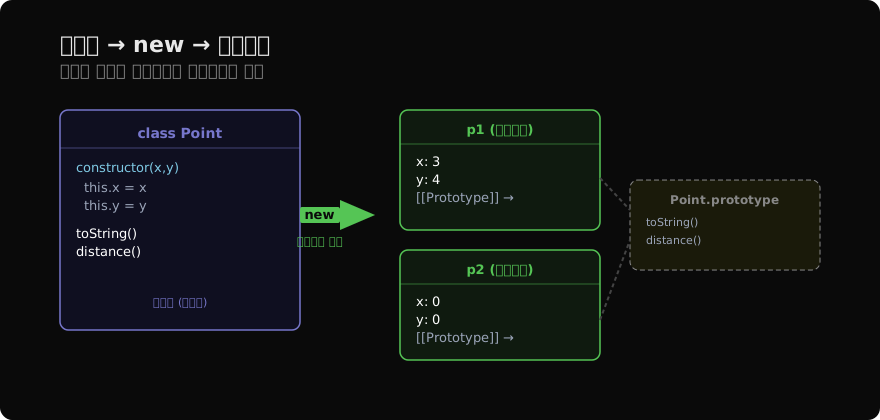
new 연산자의 4단계 동작
new MyClass(args)를 실행하면 JavaScript 엔진은 아래 4단계를 수행합니다.
- 빈 객체 생성:
Object.create(MyClass.prototype)으로 프로토타입이 연결된 빈 객체를 만듭니다. - this 바인딩: 새로 만든 객체를
constructor내부의this로 설정합니다. - 생성자 실행:
constructor를 호출해서 인스턴스 프로퍼티를 초기화합니다. - 반환: 생성자가 객체를 반환하면 그 객체를, 그렇지 않으면 step 1에서 만든 객체를 반환합니다.
코드로 흉내 내면 이렇습니다.
function myNew(Constructor, ...args) {
  const obj = Object.create(Constructor.prototype);
  const result = Constructor.apply(obj, args);
  return (result !== null && typeof result === 'object')
    ? result
    : obj;
}
생성자와 인스턴스 프로퍼티
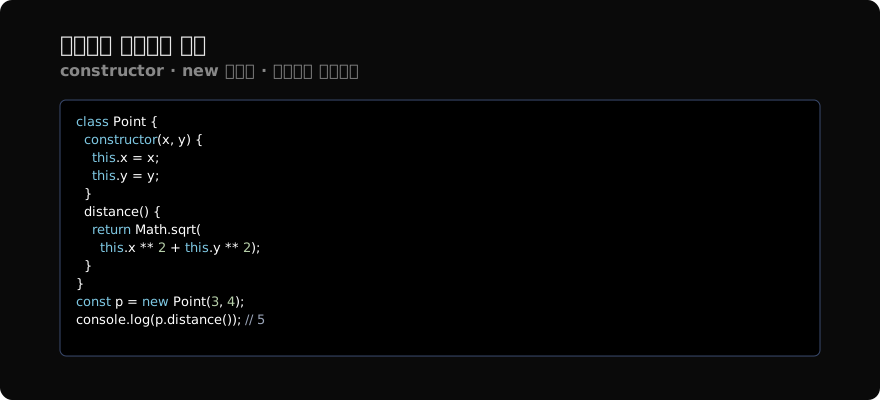
constructor 안에서 this.xxx = value로 설정한 값은 인스턴스 자체에 저장됩니다. 메서드처럼 프로토타입에 공유되지 않습니다.
class Point {
  constructor(x, y) {
    this.x = x;
    this.y = y;
  }
  distance() {
    return Math.sqrt(
      this.x ** 2 + this.y ** 2
    );
  }
}
const p = new Point(3, 4);
console.log(p.distance()); // 5p.x, p.y는 p 객체에 직접 존재하지만, p.distance는 Point.prototype.distance를 통해 접근합니다. Object.hasOwn(p, 'distance')는 false입니다.
생성자의 반환값 규칙
생성자에서 명시적으로 값을 반환하면 규칙이 적용됩니다.
class Weird {
  constructor() {
    this.value = 1;
    return { custom: 'object' }; // 객체를 반환하면 이것이 인스턴스
  }
}
const w = new Weird();
console.log(w.custom); // 'object'
console.log(w.value);  // undefined

class Normal {
  constructor() {
    this.value = 1;
    return 42; // 원시값은 무시됨
  }
}
const n = new Normal();
console.log(n.value); // 1 (원시값 반환은 무시)- 객체 반환: 해당 객체가
new의 결과가 됩니다. - 원시값 반환 또는 반환 없음:
new가 만든 원래 객체가 반환됩니다.
이 규칙은 팩토리 패턴이나 캐싱 패턴 구현에서 활용할 수 있지만, 일반적인 코드에서는 생성자가 값을 반환하지 않는 것이 관례입니다.
여러 인스턴스와 공유 메서드
같은 클래스에서 생성된 여러 인스턴스는 메서드를 프로토타입을 통해 공유합니다.
const p1 = new Point(0, 0);
const p2 = new Point(3, 4);
const p3 = new Point(5, 12);

// 각 인스턴스는 독립적인 x, y를 가짐
console.log(p1.x, p2.x, p3.x); // 0, 3, 5

// 메서드는 하나만 존재, 공유
console.log(p1.distance === p2.distance); // true
console.log(p1.distance === Point.prototype.distance); // true
이것이 클래스(프로토타입 상속)가 메모리 효율적인 이유입니다. 함수를 생성자 내부에서 this.method = function () {}로 정의하면 인스턴스마다 별도의 함수 객체가 생성됩니다.
constructor를 생략해도 될 때
constructor를 정의하지 않으면 기본 생성자가 자동으로 추가됩니다.
class Empty {}
// 내부적으로 아래와 동일
class Empty {
  constructor() {}
}
서브클래스(상속받은 클래스)에서 생략하면 약간 다릅니다.
class Parent {
  constructor(value) { this.value = value; }
}
class Child extends Parent {
  // constructor 생략 시 아래와 동일
  // constructor(...args) { super(...args); }
}
const c = new Child(42);
console.log(c.value); // 42
서브클래스에서 constructor를 직접 작성했다면 super()를 반드시 this 사용 전에 호출해야 합니다.
instanceof로 인스턴스 확인
instanceof는 객체가 특정 클래스의 인스턴스인지 프로토타입 체인을 따라 확인합니다.
const p = new Point(1, 2);
console.log(p instanceof Point);  // true
console.log(p instanceof Object); // true (프로토타입 체인)
console.log(p instanceof Array);  // false
실무에서 instanceof의 한계(같은 클래스의 다른 realm 인스턴스 등)는 instanceof와 Symbol.hasInstance 글에서 자세히 다룹니다.
constructor 프로퍼티
모든 함수(클래스 포함)의 prototype 객체에는 constructor 프로퍼티가 있어 자기 자신을 가리킵니다.
class Point {}
console.log(Point.prototype.constructor === Point); // true

const p = new Point();
console.log(p.constructor === Point); // true (프로토타입을 통해)
console.log(p.constructor.name);     // 'Point'
이를 이용하면 런타임에 어떤 클래스로 만들어진 인스턴지 확인하거나, 동일한 클래스의 새 인스턴스를 동적으로 만들 수 있습니다.
function clone(instance) {
  return new instance.constructor();
}
지난 글: 클래스 문법 입문 — ES6 class 키워드 완전 이해
다음 글: 정적 멤버 — 클래스 레벨 프로퍼티와 메서드
읽어주셔서 감사합니다. 😊
PALDYN / ARTICLE AI
글의 개념, 수식, 코드에 대해 물어보세요.
질문과 관련된 문단을 골라 답변의 문맥으로 사용합니다.생각 중 · 0초