

비동기 제너레이터: async def + yield의 결합
async def에 yield를 결합한 비동기 제너레이터의 동작 원리, 동기 제너레이터와의 차이, 비동기 컴프리헨션, 실전 스트리밍 패턴을 설명합니다.
지난 글에서 __aiter__와 __anext__로 비동기 이터레이터를 직접 구현하는 방법을 배웠다. 코드가 꽤 장황했다. 비동기 제너레이터를 쓰면 훨씬 간결하게 같은 결과를 얻을 수 있다. async def에 yield를 추가하는 것만으로 비동기 이터레이터가 완성된다.
비동기 제너레이터란
async def 함수 안에 yield가 있으면 그 함수는 비동기 제너레이터 함수가 된다. 호출하면 비동기 제너레이터 객체를 반환한다. 이 객체는 비동기 이터레이터 프로토콜(__aiter__, __anext__)을 구현하고 있다.
async def async_gen():
    yield 1
    yield 2
    yield 3

ag = async_gen()
print(type(ag)) # <class 'async_generator'>async_gen()을 호출해도 즉시 실행되지 않는다. 동기 제너레이터와 동일하게, __anext__()가 호출될 때만 yield까지 실행된다.
동기 제너레이터와의 차이
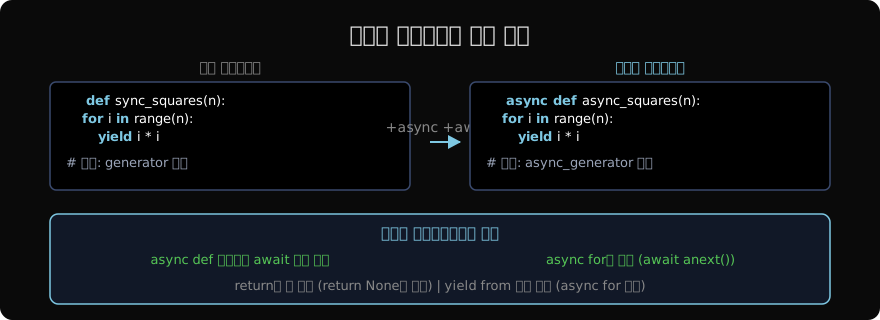
핵심 차이는 두 가지다.
async def로 선언하므로 내부에서await를 사용할 수 있다async for나await anext()로 소비해야 한다
import asyncio

async def delayed_range(n):
    for i in range(n):
        await asyncio.sleep(0.1)   # I/O 대기 시뮬레이션
        yield i

async def main():
    async for val in delayed_range(3):
        print(val)   # 0, 1, 2 — 각 값 사이에 0.1초 대기

asyncio.run(main())yield만 있는 동기 제너레이터에서는 await를 사용할 수 없다. 비동기 제너레이터는 두 기능을 결합한다.
await + yield 패턴
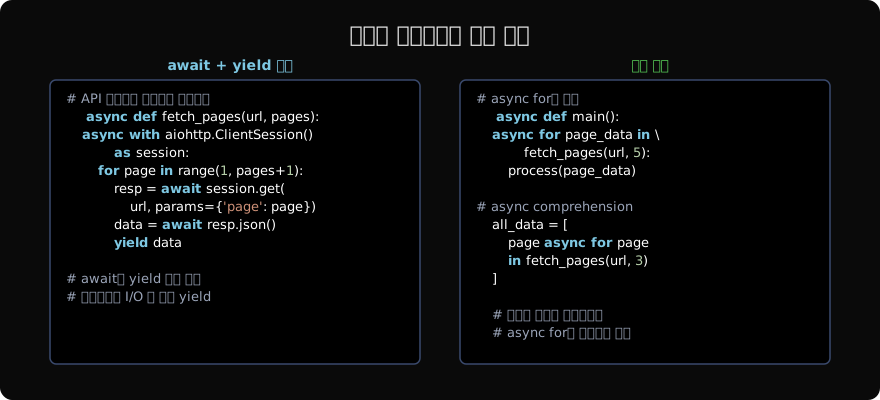
비동기 제너레이터의 강점은 await와 yield를 자유롭게 혼용할 수 있다는 점이다.
async def fetch_items(ids):
    for item_id in ids:
        data = await fetch_from_db(item_id)   # await로 비동기 I/O
        if data:
            yield data                         # yield로 결과 스트리밍
페이지네이션, 스트리밍 응답, 데이터베이스 커서 등에 이 패턴이 자주 쓰인다.
비동기 컴프리헨션
async for를 컴프리헨션 안에서 쓸 수 있다. 이를 비동기 컴프리헨션이라 한다.
async def main():
    # 비동기 리스트 컴프리헨션
    results = [n async for n in delayed_range(5)]

    # 비동기 집합 컴프리헨션
    uniq = {n % 3 async for n in delayed_range(9)}

    # 비동기 딕셔너리 컴프리헨션
    squares = {n: n**2 async for n in delayed_range(5)}

    # 비동기 제너레이터 표현식
    gen = (n * 2 async for n in delayed_range(3))
    result = [n async for n in gen]   # [0, 2, 4]
비동기 컴프리헨션은 async def 함수 안에서만 쓸 수 있다.
비동기 제너레이터의 제약
동기 제너레이터와 비교해 몇 가지 제약이 있다.
# 1. return에 값을 줄 수 없다
async def wrong():
    yield 1
    return 42    # SyntaxError: 'return' with value in async generator

# 2. yield from을 사용할 수 없다
async def wrong2():
    yield from range(3)   # SyntaxError: 'yield from' inside async function

# 3. async for로 위임해야 한다
async def correct():
    async for item in async_sub():   # yield from 대신 이렇게
        yield item
yield from을 쓰고 싶다면 동기 yield from은 불가하고, 대신 async for로 소비하며 yield한다.
비동기 제너레이터 종료 처리
비동기 제너레이터도 aclose() 메서드를 제공한다. GC가 자동으로 호출하거나 직접 호출할 수 있다.
async def resource_gen():
    resource = await acquire_resource()
    try:
        while True:
            data = await resource.read()
            if not data:
                break
            yield data
    finally:
        await resource.release()   # aclose() 호출 시 실행됨

async def main():
    gen = resource_gen()
    async for chunk in gen:
        if should_stop:
            await gen.aclose()   # 명시적 종료
breakfinally로 리소스를 정리하면 aclose() 호출 시 항상 실행된다.
run_in_executor와 비동기 제너레이터
블로킹 동기 코드를 비동기로 감쌀 때도 비동기 제너레이터가 유용하다.
import asyncio
import time

def blocking_generator(n):
    """블로킹 동기 제너레이터"""
    for i in range(n):
        time.sleep(0.1)
        yield i

_DONE = object()

async def non_blocking_wrapper(n):
    """블로킹 제너레이터를 스레드풀에서 실행"""
    loop = asyncio.get_running_loop()
    it = iter(blocking_generator(n))
    while True:
        # next(it)를 그대로 넘기면 StopIteration이 Future에 담기지 못해
        # RuntimeError가 난다 — 센티널 기본값으로 종료를 알린다
        val = await loop.run_in_executor(None, next, it, _DONE)
        if val is _DONE:
            return
        yield val
비동기 제너레이터로 비동기 이터레이터 재구현
지난 글에서 클래스로 구현한 AsyncRange를 비동기 제너레이터로 간결하게 재작성할 수 있다.
# 클래스 기반 (지난 글)
class AsyncRange:
    def __init__(self, stop): ...
    def __aiter__(self): ...
    async def __anext__(self): ...

# 비동기 제너레이터 기반 (훨씬 간결)
async def async_range(stop):
    for i in range(stop):
        await asyncio.sleep(0)
        yield i

# 사용법은 동일
async def main():
    async for n in async_range(5):
        print(n)
간단한 비동기 이터레이터는 비동기 제너레이터 함수로, 복잡한 상태 관리가 필요하면 클래스 기반 이터레이터로 구현하는 것이 좋은 기준이다.
정리
| 특성 | 동기 제너레이터 | 비동기 제너레이터 |
|---|---|---|
| 선언 | def + yield | async def + yield |
| await 가능 | ✗ | ✓ |
| 소비 방법 | for / next() | async for / await anext() |
| yield from | ✓ | ✗ (async for + yield로 대체) |
| return 값 | ✓ | ✗ |
| aclose() | 없음 | ✓ |
비동기 제너레이터는 스트리밍 데이터 처리, 페이지네이션, 이벤트 스트림 등 I/O 집약적 파이프라인에서 강력한 도구다. 다음 글에서는 itertools 모듈의 핵심 함수들을 살펴본다.
지난 글: 비동기 이터레이터: __aiter__와 anext 프로토콜
다음 글: itertools 핵심: chain, product, combinations
읽어주셔서 감사합니다. 😊
PALDYN / ARTICLE AI
글의 개념, 수식, 코드에 대해 물어보세요.
질문과 관련된 문단을 골라 답변의 문맥으로 사용합니다.생각 중 · 0초