

this 매개변수 — TypeScript에서 this 타입을 명시하고 안전하게 쓰는 법
TypeScript this 매개변수 문법, noImplicitThis 설정, this: void로 오용 방지, 다형적 this 반환 타입, ThisType 유틸리티, 화살표 함수와 this 바인딩을 정리합니다.
지난 글에서 나머지 매개변수를 살펴봤다. 이번에는 TypeScript 함수의 this 매개변수 를 다룬다. JavaScript에서 this는 호출 방식에 따라 달라지는 불안정한 값이다. TypeScript는 this 타입을 명시적으로 선언해 이 문제를 해결한다.
this가 문제가 되는 이유
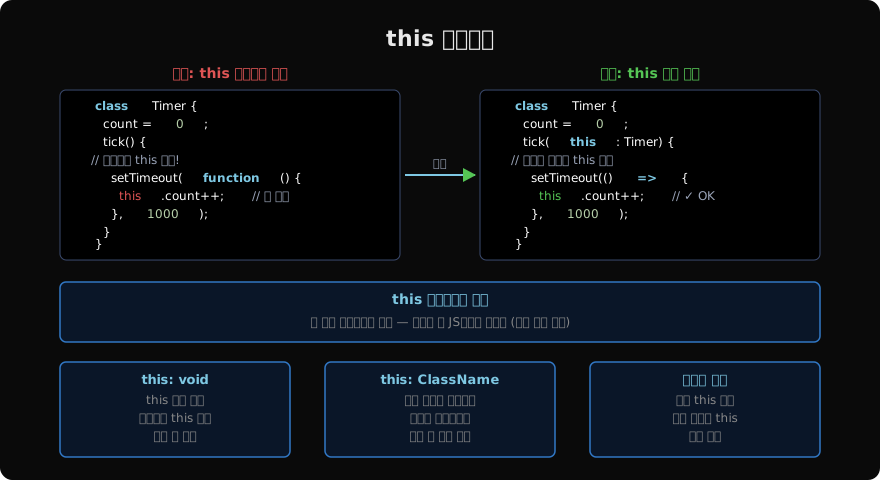
JavaScript에서 this는 함수가 어떻게 호출되었는지에 따라 동적으로 결정된다.
class Timer {
  private count = 0;

  // ❌ 일반 메서드 — this가 유실될 수 있음
  tick() {
    this.count++;
    console.log(this.count);
  }
}

const timer = new Timer();
timer.tick();             // OK — this: Timer

const fn = timer.tick;
fn();                     // ❌ 런타임 에러 — this가 undefined (strict mode)
                          // 또는 window (non-strict mode)

setTimeout(timer.tick, 1000); // ❌ this 유실
메서드를 다른 변수에 저장하거나 콜백으로 전달하면 this 바인딩이 끊어진다.
this 매개변수 문법
TypeScript는 함수 첫 번째 위치에 this: 타입 형태로 this의 타입을 명시할 수 있다. 이 매개변수는 컴파일 시 제거되며 런타임에는 존재하지 않는다.
interface User {
  name: string;
  greet(this: User): string;
}

const user: User = {
  name: "Alice",
  greet(this: User) {
    return `Hello, I'm ${this.name}`; // this: User — 타입 안전
  },
};

user.greet(); // OK

const fn = user.greet;
fn(); // ❌ TS2684: 'this' 컨텍스트가 'User' 타입이 아님
this: User를 명시하면 올바른 this 컨텍스트 없이 호출할 때 컴파일 에러가 발생한다.
noImplicitThis 설정
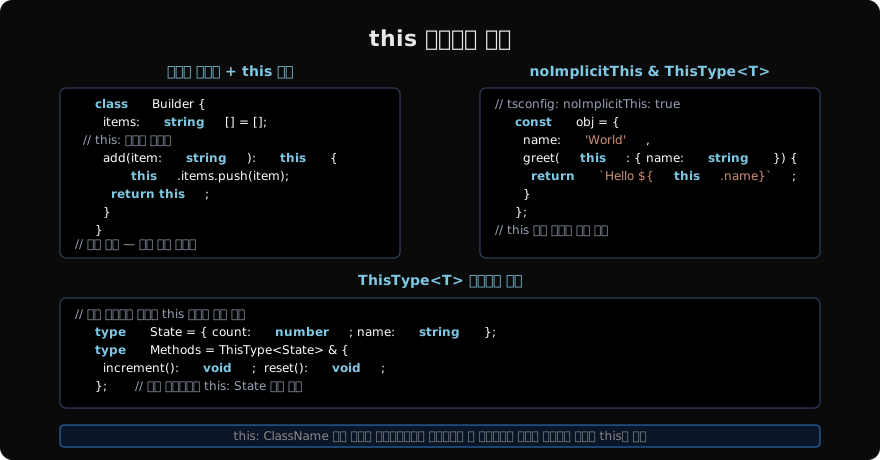
tsconfig.json의 strict 모드에는 noImplicitThis가 포함된다. 이 옵션이 활성화되면 this가 암묵적으로 any가 되는 상황에서 에러를 발생시킨다.
// noImplicitThis: true 상태

// ❌ this 타입이 암묵적으로 any
function getNameBad() {
  return this.name; // TS2683: 'this' implicitly has type 'any'
}

// ✅ this 타입 명시
function getNameGood(this: { name: string }) {
  return this.name;
}

// ✅ 클래스 메서드 — 클래스 타입이 this의 타입
class Person {
  constructor(public name: string) {}

  getName() {
    return this.name; // this: Person — 명시 불필요
  }
}
클래스 메서드는 TypeScript가 자동으로 this 타입을 클래스 타입으로 결정하므로 별도 명시가 필요 없다.
this: void — this 사용 금지
this: void는 함수 내에서 this를 사용할 수 없음을 명시한다. 콜백에서 this 오용을 방지할 때 유용하다.
interface Button {
  onClick(this: void, event: MouseEvent): void;
}

const button: Button = {
  onClick(this: void, e) {
    // this 사용 불가 — void 타입이므로
    this; // TS2683 (if used)
    console.log(e.type);
  },
};

// 이벤트 리스너 등록 시 this 유실이 문제 안 됨
document.querySelector("button")?.addEventListener("click", button.onClick);
이 패턴은 메서드가 독립적으로 (this 바인딩 없이) 호출됨을 계약으로 강제한다.
화살표 함수로 this 고정
화살표 함수는 자신만의 this를 갖지 않고 렉시컬 스코프의 this를 캡처한다. 클래스 필드에서 화살표 함수로 메서드를 정의하면 this가 항상 인스턴스를 가리킨다.
class Timer {
  private count = 0;

  // ✅ 화살표 함수 — this가 항상 Timer 인스턴스
  tick = () => {
    this.count++;
    console.log(this.count);
  };
}

const timer = new Timer();
const fn = timer.tick;
fn();               // OK — this: Timer

setTimeout(timer.tick, 1000); // OK
const [callback] = [timer.tick];
callback();         // OK
단점도 있다. 화살표 함수 메서드는 프로토타입이 아닌 인스턴스에 저장되므로 메모리 사용량이 증가하고, 자식 클래스에서 super.method()로 접근할 수 없다.
다형적 this — 메서드 체이닝
반환 타입에 this를 사용하면 서브클래스에서 메서드 체이닝이 올바르게 동작한다.
class Builder {
  protected config: Record<string, unknown> = {};

  set(key: string, value: unknown): this {
    this.config[key] = value;
    return this; // this 타입 반환
  }

  build() {
    return { ...this.config };
  }
}

class DatabaseBuilder extends Builder {
  setHost(host: string): this {
    return this.set("host", host);
  }

  setPort(port: number): this {
    return this.set("port", port);
  }
}

const db = new DatabaseBuilder()
  .setHost("localhost")
  .setPort(5432)
  .set("database", "myapp")
  .build();
// 체이닝 중 타입: DatabaseBuilder — setHost, setPort 사용 가능
set() 메서드의 반환 타입이 Builder가 아닌 this이므로, DatabaseBuilder 인스턴스에서 호출하면 반환 타입도 DatabaseBuilder가 된다.
ThisType<T> 유틸리티 타입
객체 리터럴에서 메서드가 공유 컨텍스트를 this로 접근해야 할 때 ThisType<T> 유틸리티를 사용한다.
interface ObjectDescriptor<D, M> {
  data?: D;
  methods?: M & ThisType<D & M>; // methods 내부의 this는 D & M 타입
}

function makeObject<D, M>(desc: ObjectDescriptor<D, M>): D & M {
  const data: object = desc.data || {};
  const methods: object = desc.methods || {};
  return { ...data, ...methods } as D & M;
}

const obj = makeObject({
  data: { x: 0, y: 0 },
  methods: {
    moveBy(dx: number, dy: number) {
      this.x += dx; // this: { x: number; y: number } & { moveBy(...) }
      this.y += dy;
    },
  },
});

obj.moveBy(5, 3);
obj.x; // 5
obj.y; // 3ThisType<T>는 컴파일러에게 해당 컨텍스트에서 this의 타입이 T임을 알려준다. Vue 2나 옵션 API 스타일의 라이브러리 설계에서 사용하는 패턴이다.
메서드 타입에서 this 검사 비교
noImplicitThis와 함께 메서드를 정의하는 두 가지 방법의 차이를 정리한다.
interface Greeter {
  // 메서드 시그니처 — this 검사가 상대적으로 느슨
  greet1(name: string): string;

  // 함수 프로퍼티 — this 검사가 엄격 (strictFunctionTypes)
  greet2: (name: string) => string;
}

class Impl implements Greeter {
  greet1(name: string) {
    return `Hello, ${name} from ${this.constructor.name}`;
  }

  greet2 = (name: string) => {
    return `Hello, ${name}`;
    // 화살표 함수이므로 this 바인딩이 안전
  };
}
팀 컨벤션에 따라 다르지만, this 안전성을 최우선으로 한다면 클래스 필드 화살표 함수가 간단하고 확실한 방법이다. 단, 프로토타입 메서드 오버라이드가 필요한 상속 구조라면 일반 메서드와 this 매개변수를 명시하는 방식을 사용한다.
지난 글: 나머지 매개변수와 스프레드 — 가변 인수를 타입 안전하게 처리하기
다음 글: 타입 좁히기(Narrowing) 기초 — 유니언 타입을 안전하게 다루는 방법
읽어주셔서 감사합니다. 😊
PALDYN / ARTICLE AI
글의 개념, 수식, 코드에 대해 물어보세요.
질문과 관련된 문단을 골라 답변의 문맥으로 사용합니다.생각 중 · 0초